Hey there, if you’ve ever worked in the oil and gas space (or even followed along with it), you know how brutal conditions can get—think freezing Arctic wells, remote winter fracking sites, even pipelines in places that drop below -40°F without warning. A question I get all the time as a petroleum pipe thread tools supplier is: can our thread tools actually hold up in those bone-chilling low-temp environments? Let’s cut through the jargon, talk real-world use, and break this down without all the stuffy industry fluff. Petroleum Pipe Thread Tools
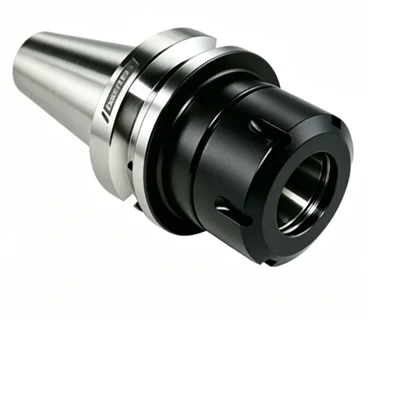
First, let’s get one thing straight: petroleum pipe thread tools aren’t a one-size-fits-all part. Most folks just see a wrench or a thread chaser and assume it’s the same for warm Texas fields and icy Canadian tar sands sites. But here’s the truth—materials, design, and even how you maintain those tools make all the difference when temperatures plummet. Let’s start with the core of our tools: the metals we use. A lot of standard thread tools are made from regular carbon steel, right? That stuff’s fine for room temp or even mild cold, but once it drops below, say, 32°F (0°C), carbon steel starts to get brittle. Not the kind of brittleness you’d notice dropping a wrench in the shop, but when you’re torquing a thread on a pipe that’s sitting at -20°F? That brittle metal can crack mid-job, or the teeth on the thread chaser can chip off like an old ice cube. That’s a disaster out in the field—you’re staring at hours of downtime if you don’t have a backup, or worse, a botched thread that leads to leaks or worse in a pipeline.
So what do we do differently at our shop? For low-temp models, we swap out that standard carbon steel for alloy steels with higher nickel or chromium content. I’m talking materials engineered specifically to resist “cold shortness” (yeah, that’s the industry term for when metal gets brittle in cold). These alloys stay tough even at -50°F, and we test every single low-temp tool we make in our climate-controlled lab. We crank the temp down to -60°F, torque them the same way a field tech would, and check for flex, chip, or breakage. Last winter, we shipped a batch of these to a crew working on a well in northern Alaska—they hit a stretch where it stayed at -45°F for two weeks straight, and they didn’t have a single tool fail. That’s not luck, that’s testing.
But wait, it’s not just the metal. The design of the tool matters too. Standard thread tools have sharp, angled teeth, right? In cold, those teeth can dig too deep into the pipe thread, leading to stripped threads or even damage to the pipe itself. Our low-temp tools have a modified tooth profile—rounder, more gradual angles that glide along the pipe thread instead of biting hard. We also add a special lubricant coating to the tool when it’s made. Regular lubricant gets gummy or freezes in cold, which makes the tool stick and require more force. That coating? It’s a synthetic blend that stays slippery down to -70°F, so you don’t have to fight the tool every time you adjust a thread. I’ve heard horror stories of crews using a can of WD-40 (not even meant for super cold) on their tools in the Arctic—by mid-shift, the WD-40’s solid, so they’re using a pipe wrench to turn their thread chaser. We built our low-temp line to avoid that headache.
Now, let’s be real—even the best tool won’t work if you misuse it. A common mistake we see is techs grabbing a standard tool for a cold job because it’s “close enough.” No, it’s not. Or they don’t inspect their tools before heading out in the cold. Metal expands and contracts with temp changes—so a tool that fit a thread at room temp might be a little off when it’s frozen. Our advice? Do a quick pre-job check: run the tool over a scrap piece of pipe before you start, make sure the teeth aren’t chipped, and wipe off any moisture (moisture freezes on tools, makes them stick too). Also, store your tools in a heated truck cab when you’re not using them—don’t leave them out in the snow all day. That’s a quick tip that goes a long way.
Another big factor: what kind of job are you doing in the cold? Are you chasing a damaged thread on a pipe that’s already in the ground, or are you assembling a new pipeline from scratch? For new assembly, our low-temp pipe threaders work perfect—we’ve had crews in northern Canada use them to put together 10-mile pipeline stretches at -30°F, no issues. For repairing existing threads, the modified tooth profile is key because you don’t want to mess up a good existing thread. We also make portable low-temp thread tools for field repairs, not just the big fixed ones for shop use. A lot of suppliers skip the portable stuff, but we know most low-temp work isn’t in a climate-controlled shop—it’s in the middle of nowhere, with snow blowing.
Wait, let’s talk about a common myth I hear all the time: “Steel is steel, it doesn’t care about temp.” No, wrong. I remember a few years back, a customer sent us a set of their old standard thread tools that failed on a winter job in Wyoming. The teeth had cracked right off when they were torqueing a 10-inch pipe. We broke it down: their tools were made from 1018 carbon steel, which has a ductile-to-brittle transition around 40°F. So when it dropped below that, the tool couldn’t handle the torque, and snapped. That’s not a flaw in the tool, that’s using the wrong tool for the job. We’ve all been there—grabbing the wrong screwdriver because the right one’s in the truck, but that’s a bad call for pipe thread tools in cold.
What about when it’s extra cold, like -60°F or lower? We don’t just stop at alloy steels. For those extreme cases, we use a special tool steel with even higher manganese content, and we heat treat them in a way that makes them tough at super low temps. Last year, we shipped a set to a crew working on a well in Siberia—they were working at -72°F, and they said our tools were the only ones that didn’t require them to use a sledgehammer to get a proper thread. That’s the kind of feedback that makes our team proud—we’re not just selling a tool, we’re solving a problem when the weather’s working against you.
Now, let’s get practical for anyone reading this. How do you know if a pipe thread tool is actually rated for low temps? Don’t just take the supplier’s word for it. Ask for the material specs—look for terms like “low-temperature alloy steel,” “-60°F rated” or “cold-brittleness tested.” Avoid any supplier that says “it works in cold weather” without backing that up. Also, check if the tool has a coating that’s designed for cold—regular black oxide or zinc plating will flake off in extreme cold, so that’s a red flag.
And let’s be clear: there’s a difference between “works in cold” and “works in cold without causing more problems.” A tool that fails mid-job isn’t just annoying—it’s dangerous. If you’re working on a pipeline that’s carrying oil or gas, a botched thread can lead to a leak, which in cold weather can turn into ice, or even a rupture. No one wants that on their watch. Our low-temp tools are built to handle that pressure, literally and figuratively.
I want to make sure this isn’t just a sales pitch. Let’s talk about the limits, because no tool is perfect. Our low-temp line works great down to -70°F, but if you’re going lower than that, we have to talk about specialized designs, maybe even different materials like titanium, but that’s a whole other ballgame and usually only needed for super extreme polar projects. For 99% of the low-temp oil and gas work out there—remote winter sites, northern pipelines, alpine well pads—our standard low-temp tools are more than enough. They’re not cheap, but they’re worth every penny when you’re not losing time or money on broken tools.
Another thing: maintenance in cold is different. You can’t use regular oil to lubricate your tools when it’s freezing. We recommend our own synthetic low-temp lube, which is formulated to not thicken or freeze. Also, at the end of a cold shift, wipe your tools down and store them in a dry, warm place. If you leave moisture on them, it’ll freeze and cause rust, which can mess up the teeth over time. I’ve seen crews throw good tools away because they didn’t take 2 minutes to wipe them down after a cold job—don’t be that person.
Let me circle back to the original question: can petroleum pipe thread tools be used in low-temperature environments? The answer is yes, but only if you’re using the right tools, not standard ones. If you grab a random off-the-shelf thread chaser for a -40°F job, you’re rolling the dice. But if you go with tools engineered for low temps, with the right materials, design, and coating, they’ll work just as well as they would in 70°F Texas.
We’ve been in this game for years, and we’ve seen every cold-weather horror story you can imagine. That’s why we put so much work into our low-temp line—we don’t want our customers to be the ones staring at a broken tool in the middle of nowhere, waiting for a backup that’s going to take 12 hours to ship. Our tools are tested in real cold, not just a lab with a thermostat set low. We take them out to test sites in winter, work alongside crews, tweak designs based on their feedback. That’s how we make a tool that actually works for the job, not just the spec sheet.
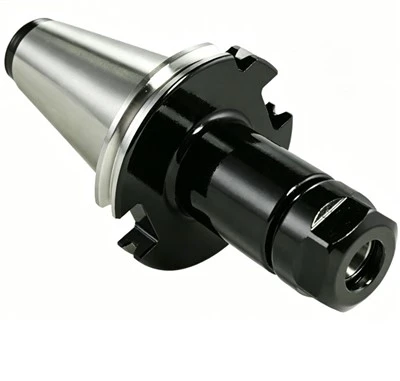
If you’re working in cold environments and tired of tools that fail, if you’re tired of down time, if you’re tired of fighting your tool instead of using it, let’s talk. We can walk you through our low-temp line, help you pick the right tools for your specific job, and even give you tips on maintenance to make them last. Don’t settle for tools that were made for warm weather when you’re working in the deep freeze. Let’s get you set up with tools that can keep up, no matter how cold it gets.
Milling Tool References:
- NACE International. (2020). Materials Selection for Low-Temperature Oil and Gas Operations. NACE International.
- ASME B1.20.1. (2013). Pipe Threads, General Purpose (Iron). American Society of Mechanical Engineers.
- API Specification 5CT. (2021). Specification for Casing and Tubing. American Petroleum Institute.
- Campbell, J. (2018). Metallurgy for Oil and Gas Drilling and Production. Gulf Professional Publishing.
- Snow, M. (2022). Field Testing of Low-Temp Pipe Thread Tools for Arctic Well Operations. Journal of Petroleum Equipment Maintenance.
Shun Wei Precision Technology Co., Ltd.
With abundant experience, we are one of the most reliable petroleum pipe thread tools manufacturers and suppliers in China. We warmly welcome you to buy durable petroleum pipe thread tools at competitive price from our factory. If you have any enquiry about cooperation, please feel free to email us.
Address: Room901, Building2, Yijing Apartment, Northeast side of the intersection of Central Avenue and East Fifth Road, Tianjin Free Trade Zone (Airport Economic Zone)
E-mail: sale@sw-csd.com
WebSite: https://www.tjswprecisiontool.com/
