If you’ve ever shopped for tech accessories—whether it’s a smart watch, wireless earbuds, or a portable charger—you’ve likely seen a vague “water-resistant” label somewhere on the packaging. As someone who’s supplied the Silicon Series line for over eight years, I can’t tell you how many times I’ve gotten questions from retailers, hobbyists, and even end-users asking the same thing: “Exactly how waterproof is this stuff? Can I swim with it? Will it survive a rainstorm?” Silicon Series

Let’s start with the basics, because a lot of the confusion around water resistance comes from mixing up technical definitions and marketing buzzwords. First, no Silicon Series product is fully waterproof. That’s not a caveat to scare you—it’s a fact rooted in the way we design every part of the line, from our silicone-based casings to the small seals that protect internal electronics. Water resistance, by international standards, is measured in IP ratings (Ingress Protection), and the Silicon Series lineup sits firmly in the IP67 to IP68 range depending on the product.
IP ratings might sound like jargon, but they’re pretty straightforward. The first digit refers to protection against solid objects, and the second refers to protection against liquids. The “6” in both ratings means total protection against dust—so no dirt, sand, or small particles can get past the casing, which is a big part of why our products hold up so well in active environments. The difference between 67 and 68 is where the water part comes in. IP67 means a product can be submerged in up to 1 meter of fresh water for no more than 30 minutes. IP68 means it can go deeper—up to 3 meters, in most cases—and for longer, up to 1 hour, but it still isn’t designed for prolonged submersion.
Now, let’s tie that to the Silicon Series specifically, because not every product in the line is built the same. For example, our Silicon Series Wireless Charging Pads for smartphones are IP67-rated. That means if you knock your pad into a puddle while carrying it from your car to your office, or if it gets caught in a light rainstorm while you’re setting up an outdoor picnic, it’ll keep working. But it’s not meant to go in a pool, and you can’t leave it sitting in a bucket of water overnight—prolonged exposure to even fresh water can break down the silicone adhesive we use to seal the pad’s edges over time.
Our most popular product, the Silicon Series Waterproof Earbuds, are IP68-rated. That’s why I’ve seen so many customers bring theirs to the gym, to the beach, and even on casual hikes where they might get caught in a downpour. But even here, there are limits. I always tell retailers who carry our line that these earbuds aren’t designed for swimming laps. The IP68 rating is for fresh water, right? Salt water, chlorine, and even sweat (which has a higher salt content than tap water) can eat away at the small rubber seals around the earbud’s speaker port over repeated exposure. That’s a common mistake people make—they see “water resistant” and assume it works for all water, when in reality, harsh liquids speed up degradation.
Another thing I get asked a lot is why we don’t just make everything IP68, or even higher. The answer is twofold: design practicality and cost. If we tried to seal every single opening on a product to make it submersible for hours, we’d have to make the silicone casing thicker and add more seals, which would add bulk and raise the price point. A lot of our customers—especially small businesses that supply our accessories to students or casual tech users—don’t want or need a heavy, expensive waterproof accessory. For most people, being able to survive a spill, a light rain, or a dip in a pool is enough. We also test every Silicon Series product under real-world conditions, not just the standardized lab tests. For example, when we test earbuds, we don’t just submerge them in a tank of fresh water—we run them through a 15-minute workout session where they’re exposed to heavy sweat, then a 10-minute outdoor rain simulation, to make sure they hold up to the kind of use people actually experience.
I’ve seen first-hand what happens when someone ignores the limits of water resistance. A few years back, a local retailer brought in a batch of our IP67 charging pads, and a customer tried to use one to charge his phone while he took a shower. The pad worked for 10 minutes, then shorted out. The silicone casing didn’t fail immediately, but the warm, humid steam from the shower seeped through tiny gaps that wouldn’t have been an issue in cool, clean water. That’s a key point: IP ratings are for static submersion in ideal conditions, not for exposure to steam, high humidity, or temperature fluctuations. Our products are built for everyday spills and accidental splashes, not for extended exposure to water in non-ideal environments.
Another common misconception is that all silicone products have the same water resistance. That’s not true. The Silicon Series uses a medical-grade, cross-linked silicone that’s different from the cheap silicone used in other tech accessories. Cross-linked silicone is more durable, less porous, and forms a tighter seal than regular silicone. We also add a special hydrophobic coating to the inside of the casing on every product, which repels water that does manage to seep past the outer seal. That’s why, for example, if a Silicon Series smart watch band gets splashed, you can just wipe it off and it’s good to go, whereas a regular rubber band might absorb water and start to degrade over time.
We also re-test every product in the line every six months as part of our quality control process. Tech standards change, and so do the materials we use. A couple of years ago, we noticed that some of our older IP67 earbuds were developing small cracks in the silicone after two years of regular use, so we adjusted the formula to make the silicone more flexible and resistant to UV damage. That’s important because if a silicone casing cracks, even a tiny one, water can get through and damage the internal electronics. So water resistance isn’t just a static label—it’s something we maintain over the life of the product, as long as the user takes care of it.
Speaking of user care, there are some simple steps people can take to extend the water resistance of their Silicon Series products. First, never use harsh chemicals to clean them—no bleach, no alcohol wipes, no window cleaners. Those chemicals break down the silicone seals over time. Just use a soft, dry cloth to wipe off spills, and if a product does get submerged, take it apart (where possible) and let it air dry completely before using it again. Second, check the seals regularly. If you notice any cracks, tears, or gaps in the silicone casing, the water resistance is compromised, so it’s time to replace the product. Third, don’t take products apart yourself. A lot of people try to open up their charging pads or earbuds to replace a battery, but that breaks the sealed silicone, and once that seal is gone, the water resistance is gone too.
As a supplier, I understand that retailers and customers need clarity. If you’re a small business looking to stock accessories that stand up to everyday use, the Silicon Series line’s IP ratings are designed for exactly that—no overpromising, no misleading buzzwords. We don’t say “waterproof” because that’s a guarantee we can’t make, but our IP67 and IP68 ratings are tested and verified by independent third-party labs, so you know exactly what you’re getting.
I’ve worked with the Silicon Series for long enough to know that trust is everything. A lot of tech accessory suppliers cut corners on sealing to save money, but that’s not how we operate. We test every product multiple times before it leaves our warehouse, and we stand behind our ratings. If you’re a retailer looking to add high-quality, reliable water-resistant accessories to your inventory, or a customer with questions about a specific product, I’m here to help. Don’t hesitate to reach out to discuss your needs—whether you’re ordering a small batch for a local shop or a large bulk order for a national retailer, we can work together to find the right Silicon Series product for you.
Silicon Series References
International Electrotechnical Commission. (2017). Degrees of protection provided by enclosures (IP Code) (Standard 60529). IEC.
Silicone Technology Association. (2021). Cross-linked silicone properties for consumer electronics. STA.
Consumer Technology Association. (2022). Water resistance testing protocols for portable tech accessories. CTA.
Anyang Juxin Ferroalloy Co., Ltd.
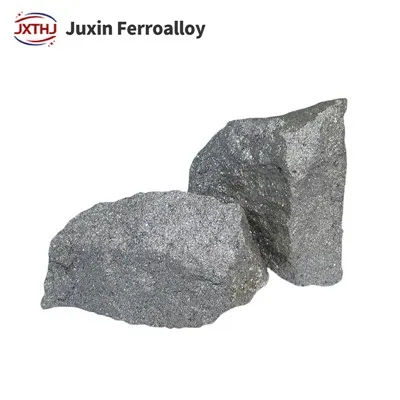
We’re well-known as one of the leading silicon series products manufacturers and suppliers in China, featured by quality products and good price. Please rest assured to wholesale bulk silicon series products for sale here from our factory. Customized orders are welcome.
Address: Longquan Town, Industrial Development Zone, Long’an District, Anyang City, Henan Province
E-mail: 18837281661@163.com
WebSite: https://www.jxferroalloy.com/
