Handling disputes in turnkey PCB assembly projects is a crucial aspect of running a successful business. As a turnkey PCB assembly supplier, I’ve been through my fair share of disputes, and I’ve learned a thing or two about how to navigate them effectively. In this blog post, I’ll walk you through the process I follow when dealing with disputes in our projects. Turnkey PCB Assembly

Step 1: Early Detection and Open Communication
The first step in handling disputes is to catch them early. In our turnkey PCB assembly projects, we make it a point to have regular check – ins with our clients. This could be weekly or bi – weekly depending on the project’s complexity. During these check – ins, we discuss the project’s progress, any potential issues, and get feedback from the client.
Open communication is key here. I always encourage my team to be transparent with clients about the project status. If there are any delays or quality concerns, we let them know right away. For example, if we notice that a particular component is taking longer to source than expected, we’ll shoot an email or give a call to the client to explain the situation. This way, we can avoid misunderstandings that could lead to disputes down the line.
Step 2: Document Everything
Documentation is super important in any business, but it’s especially crucial when it comes to handling disputes. In our turnkey PCB assembly projects, we document every single detail. This includes project specifications, change orders, communication with the client, and any test results.
We use a digital project management system where all the project – related documents are stored. This makes it easy to access information when needed. For instance, if a client claims that the PCB doesn’t meet the agreed – upon specifications, we can quickly pull up the original project requirements and compare them with the final product. Having clear documentation can help us resolve disputes faster and more fairly.
Step 3: Identify the Root Cause
Once a dispute arises, the next step is to figure out what caused it. This requires a thorough investigation. We start by gathering all the relevant information, such as the client’s complaints, test reports, and production records.
In some cases, the root cause could be a miscommunication. Maybe the client and our team had different understandings of a particular specification. Other times, it could be a quality control issue. For example, if a PCB fails a functionality test, we’ll look into whether the problem was caused by a faulty component, an error in the assembly process, or something else.
We involve our technical experts in this process. They have the knowledge and experience to dig deep and find the real cause of the problem. Once we’ve identified the root cause, we can move on to finding a solution.
Step 4: Propose Solutions
After identifying the root cause, it’s time to come up with solutions. We approach this step with a focus on win – win outcomes. Our goal is to satisfy the client while also protecting our business interests.
If the dispute is related to a quality issue, we might offer to rework the PCBs, replace the faulty components, or provide a partial refund. For example, if a small number of PCBs have a minor defect, we’re willing to rework them at our cost. If the problem is more widespread, we might offer a combination of rework and a refund.
If the dispute is due to a miscommunication, we’ll work with the client to clarify the requirements and make any necessary adjustments to the project. We’ll also take steps to prevent similar miscommunications from happening in the future, such as improving our communication processes or providing more detailed project documentation.
Step 5: Negotiate and Reach an Agreement
Once we’ve proposed solutions, we enter the negotiation phase. This is where we have a back – and – forth discussion with the client to find a solution that works for both parties.
During the negotiation, we listen to the client’s concerns and try to understand their perspective. We’re flexible and willing to make adjustments to our proposed solutions if it makes sense. For example, if the client has a tight budget and can’t afford a full rework, we might explore alternative solutions, such as a modification to the PCBs that is less costly.
The key is to be patient and respectful during the negotiation process. We aim to build a long – term relationship with our clients, so we don’t want to take a confrontational approach. Eventually, after some discussion, we try to reach an agreement that both the client and our company can live with.
Step 6: Implement the Agreement
Once an agreement is reached, the next step is to implement it. This involves coordinating with our production team, quality control team, and any other relevant departments to make sure that the agreed – upon solution is carried out.
If the solution involves reworking the PCBs, we’ll schedule the necessary production time and make sure that the right resources are available. We’ll also keep the client updated on the progress of the implementation. For example, we might send them regular status reports or pictures of the reworked PCBs.
After the implementation is complete, we’ll conduct a final quality check to make sure that the problem has been resolved. Then, we’ll get confirmation from the client that they are satisfied with the outcome.
Step 7: Learn from the Experience
Finally, we always take the time to learn from each dispute. We conduct a post – mortem analysis to identify what went wrong and what we can do to prevent similar disputes in the future.
We look at the root cause of the dispute, the effectiveness of our communication, and the success of the solutions we proposed. Based on our analysis, we make changes to our processes, procedures, and training programs.
For example, if we find that a particular type of miscommunication is common, we might develop a checklist or a standard operating procedure to help prevent it. If a quality control issue led to the dispute, we might invest in better testing equipment or provide additional training to our quality control staff.
Conclusion
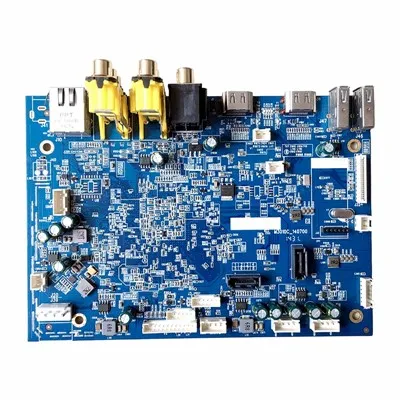
Handling disputes in turnkey PCB assembly projects is not always easy, but by following these steps, we can minimize the impact of disputes on our business and our relationships with clients. Early detection, open communication, documentation, root – cause analysis, proposing solutions, negotiation, implementation, and learning from experience are all crucial elements of a successful dispute – handling process.
Rigid PCB If you’re in the market for a turnkey PCB assembly supplier or are currently facing some issues with your existing supplier, I’d love to have a chat. We pride ourselves on our high – quality service and our ability to handle disputes in a fair and efficient manner. Let’s connect and see if we can work together on your next project.
References
- Personal experience from years of working in turnkey PCB assembly projects.
- Industry best – practices shared in various professional networking groups and conferences related to PCB assembly.
Huaswin Electronics Technology Co., Ltd.
Address: Building A2, Hao Hai Hong Industrial Park, No.3 Yu He Road, Gong He, Sha Jing, Bao An, Shenzhen
E-mail: sales@huaswin.com
WebSite: https://www.huaswin-pcba.com/
