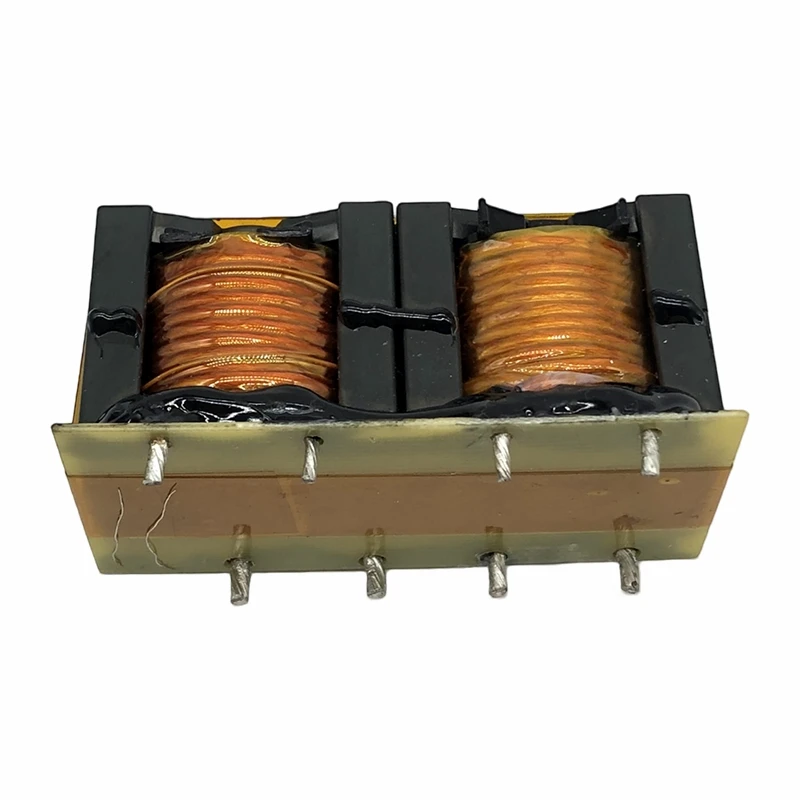
Hey everyone, it’s Jake here, your go-to low-voltage transformer guy — I’ve been dealing with transformers day in and day out for the last 12 years, and one question I get asked all the time is, “What’s the big deal with voltage fluctuations for these little guys?” Fair question, right? Most folks don’t realize that those random blips, dips, and spikes in power that happen at your facility or home don’t just mess up your laptops or ACs — they hit your low-voltage transformer hard too. And since I’ve seen what bad fluctuations can do, I figured I’d break this down like I would for a customer walking into my shop, no fancy jargon, just real talk from someone who’s installed, repaired, and replaced hundreds of these things. Low-voltage Transformer
First off, let’s get on the same page: what even are voltage fluctuations? I’m not talking about that “my lights dim for half a second when the fridge kicks on” thing — that’s normal. Fluctuations are the sustained dips (called sags, if we wanna be technical) where voltage drops 10% or more for a few seconds, or surges that spike way above the rated voltage, sometimes by 20% or more, either in a split second or lasting a minute or two. And yeah, they’re super common. Maybe your neighbor just cranked on a big industrial oven, or the grid’s having a rough day with peak demand, or even a storm knocked a line loose and it’s bouncing back. Doesn’t matter where they come from — what matters is how they mess with your low-voltage transformer.
Let’s start with the most immediate issue: overheating. Here’s the thing about transformers — they run on induction, right? So their core is made of those thin metal sheets stacked together, and every time the voltage is too high, the core gets “saturated.” That’s a fancy way of saying the metal can’t handle the extra magnetic force, so it wastes energy as heat instead of converting it to the lower voltage your equipment needs. I’ve seen transformers that ran for years just fine at their 480V input start smoking after a few months of constant 550V surges. And it’s not just surges — constant sags do this too. When voltage drops, the transformer has to draw more current to get the same power out, right? Ohm’s Law, basic stuff. More current = more heat in the copper windings, which are the wires carrying the electricity inside the transformer. Overheating wears down the insulation on those wires over time, and before you know it, you’ve got a short circuit inside the unit. I had a customer last month who thought their transformer was just old — turns out their warehouse had a faulty welder causing constant surges, and the transformer’s insulation was shot in half the time it should’ve been.
Next up: reduced lifespan. Let’s do the math here. I always tell people that a good low-voltage transformer should last 20 to 25 years with proper maintenance. But if it’s dealing with consistent fluctuations? That number drops fast — sometimes to 5 or 10 years, even if it’s the same brand and model we install. Why? Every time there’s a surge, you’re putting extra stress on every part: the windings, the core, the connections on the terminal blocks, even the oil (if it’s an oil-filled unit, though most low-voltage ones are dry now for safety). Those constant small stressors add up, like bending a paperclip back and forth — eventually it breaks. And the worst part? Most of the time, the transformer doesn’t just die suddenly. It starts acting up first: your equipment glitches, the transformer makes a weird hum that’s louder than usual, maybe it’s warm to the touch when it shouldn’t be. By the time you notice, you’re already looking at a replacement, which is a huge hassle for a business — downtime costs way more than the transformer itself.
Wait, let’s not forget about efficiency. I know most people don’t care about “efficiency” until their electric bill goes up. But fluctuations kill efficiency. Like I said earlier, when the transformer is saturated from overvoltage, it’s wasting energy as heat instead of sending it to your equipment. And when there’s a sag, you’re drawing more current, which means you’re using more electricity than you need to get the same job done. I had a small manufacturing customer a while back who was confused because their electric bill jumped 15% in six months, and they hadn’t added any new equipment. Turned out their transformer was dealing with consistent surges from a nearby construction site, and its efficiency dropped from 98% to 92% — that’s a ton of extra wasted power over a month. So it’s not just wear and tear; it’s money out of your pocket every month.
Is there a silver lining? Yeah, not all fluctuations are the same, and not all transformers react the same. For example, a transformer that’s sized just right for your load will handle fluctuations way better than one that’s too small or too big. I always size transformers to be 10-15% above the maximum load a customer’s expecting, which gives a little buffer against those surges and sags. Also, some low-voltage transformers have built-in features to handle minor fluctuations — things like better insulation that can take higher voltage, or cores designed to resist saturation. We’ve started adding that to most of our standard models now because so many people deal with grid-related fluctuations these days.
Another thing: what about the impact on connected equipment? I know the question is about the transformer, but it’s tied together. If your transformer is dealing with bad fluctuations, it can’t provide a stable output to your PLCs, motors, or sensitive electronics. Those might go out, and then you’re replacing equipment on top of the transformer. I’ve seen a whole office’s server racks go down because the transformer nearby couldn’t handle a surge from a lightning strike (even a distant one) and sent a spike to the servers. So protecting the transformer from fluctuations isn’t just about saving the transformer — it’s about saving everything else on your power system.
Let me share a real story that drives this home. A restaurant client of mine came in last year panicking because their walk-in cooler’s transformer had died twice in eight months. First, they thought it was a bad unit, so I replaced it with the same model. Two months later, same thing: dead transformer. Turns out their building’s electrical panel was old, and every time they ran their dishwasher and ice maker at the same time, there was a huge sag that was frying the transformer. We added a voltage regulator to handle those sags and installed a slightly oversized transformer with better insulation, and they haven’t had an issue since. That’s the kind of thing I see all the time — fluctuations aren’t a “one size fits all” problem, so your transformer needs to be set up to handle your specific power issues.
Now, I know some of you might be thinking, “So what do I do if I have fluctuations?” First, keep an eye on your transformer. Check it regularly — look for strange noises, excess heat, discolored terminals. If you notice lights flickering when you turn on certain equipment, that’s a sign of fluctuations that might be affecting your transformer. Second, talk to someone who knows low-voltage transformers (like me, duh) — we can test your power quality, see what kind of fluctuations you’re dealing with, and recommend the right fix: whether that’s a better transformer, a voltage regulator, or just adjusting your equipment usage to smooth out the load.
I get that picking a transformer can feel overwhelming, especially when you’re dealing with all this technical stuff. But here’s the bottom line: voltage fluctuations aren’t just a minor inconvenience — they’re a silent killer for low-voltage transformers, cutting their lifespan, raising your bills, and leading to unexpected repairs or replacements. As a supplier who’s been in this game for years, I’m not just here to sell you a transformer — I’m here to make sure it’s the right one for your power environment, so you don’t have to deal with those headaches.
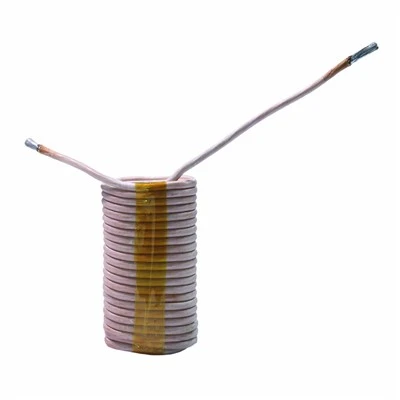
If you’re dealing with fluctuating power, or your transformer’s acting up, hit me up. I can help you figure out what’s going on, recommend the best solution for your budget and your needs, and make sure you don’t end up replacing a transformer unnecessarily. No pressure, no confusing sales pitches — just straight talk about what your equipment needs.
Transformer References
- IEEE Standards Association. (2018). IEEE Standard for Voltage Variation Characteristics and Testing Methods of Power Supply Equipment.
- NEMA Transformers Section. (2021). Application Guide for Low-Voltage Dry-Type Transformers: Mitigating Power Quality Disturbances.
- Electrical Construction Maintenance (ECM). (2022). “The Hidden Impacts of Voltage Fluctuations on Industrial Transformers.”
- Department of Energy. (2020). Energy Efficiency and Reliability of Low-Voltage Transformers for Commercial Buildings.
Dongguan Hensiron Electric Co., Ltd.
As one of the most professional low-voltage transformer suppliers in China, we have world-leading production equipment and strong manufacturing capabilities. Please feel free to buy high quality low-voltage transformer made in China here from our factory. Customized orders are welcome.
Address: Building 4, Xinxing Industrial Zone, Wangao Road, Wanjiang Street, Dongguan City, China
E-mail: jessica@dghensiron.com
WebSite: https://www.dghensiron.com/
