If you’ve ever stared at a stiletto nail set on a celebrity or a manicurist’s Instagram feed and thought “that sharp, dramatic shape could totally elevate my everyday look,” you’re not alone. Stiletto nails have remained a fan favorite for years—they’re bold, versatile, and surprisingly easy to achieve at home with the right tools and technique. As someone who’s spent years crafting high-quality nail files for salons and DIY enthusiasts alike, I’ve walked hundreds of customers through this process, and let me tell you: the key isn’t just strength, it’s precision. A wobbly, uneven stiletto can ruin an otherwise perfect manicure, so today I’m breaking down exactly how to file your nails to get that sleek, pointed stiletto shape—plus the tips I share with every customer who picks up one of our files. Nail File
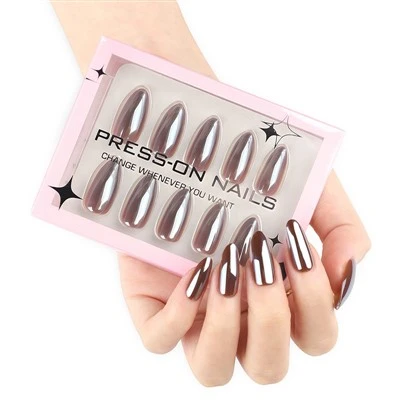
First, let’s start with the basics: what even is a proper stiletto nail? Contrary to what some TikTok tutorials might show, a great stiletto isn’t just a random point. It’s shaped with a wider base (at your nail bed) that tapers evenly to a sharp tip, with straight sides that don’t curve in or out awkwardly. The shape should complement your finger size too—if you have small hands, an overly long, sharp stiletto might look disproportionate; if you have longer fingers, a medium-length stiletto is ideal. The goal is symmetry, which is where a high-quality nail file makes all the difference. Cheap files that tear or bend mid-filing will leave your edges jagged, split your nails, and force you to start over. That’s why every file we sell is designed with a durable, flexible core that glides smoothly across natural and artificial nails, with grit levels calibrated to match different stages of shaping.
Before you even pick up a file, there are two non-negotiable prep steps that will make your stiletto filing process way easier. First, decide on your desired length. The best way to do this is to hold a ruler up to your finger: for natural nails, I recommend stopping at about 6mm (a quarter inch) past the tip of your finger’s skin—any longer, and your nails will be prone to snapping, which is a nightmare for a shape that requires a sharp point. If you’re using acrylics or gel extensions, you can go longer, but I still suggest avoiding lengths that exceed 12mm (half an inch) because they add unnecessary stress to your nail beds. Second, trim your nails to a rough length with nail clippers first. Don’t skip this! Trying to file down a long nail that’s way too big will take forever and increase the risk of filing too much off one side, creating an uneven slope. Clipping gets you within 2mm of your target length, so you can focus on shaping, not rough cuts.
Now, let’s get to the actual filing. This is where precision matters most, and following these step-by-step moves will give you a salon-worthy stiletto every time. First, grab your nail file—ideally a 180-grit file for shaping natural nails, or a 100/180 grit for acrylics or gels (the lower grit is for more aggressive shaping, while the higher grit smooths edges). Hold your file at a 45-degree angle to the side of your nail, not straight up and down. If you hold it flat, you’ll file away too much of the side of your nail, creating a weak edge that splits easily. If you hold it too steep, you’ll curve the side in too much, leading to that lopsided “pinched” look that ruins stiletto symmetry. Start with one hand at a time, working on your dominant hand first (it’s easier to steady when you’re learning). For the first side of your nail, make long, consistent strokes from the base of your nail (near your cuticle) to the tip. Don’t saw back and forth—this tears the nail surface, causes uneven edges, and wears out your file faster. One direction only, or light, short back-and-forth strokes if you need to adjust a small area, but always finish with long, unidirectional glides for a smooth finish.
Once you’ve filed the first side to a gentle slope, move to the second side. Here’s the key trick: hold your thumb up to check the slope as you go. If your first side goes from the cuticle at a 45-degree angle to the tip, the second side should be the exact same angle. A common mistake newbies make is filing one side steeper than the other, resulting in a lopsided point that looks like a triangle, not a sleek stiletto. If you notice one side is higher, add a few gentle strokes to the lower side to even it out—go slow! It’s way easier to file off a little more than to fix a side you filed too much. Once both sides are even and tapering towards the tip, it’s time to shape the point. For the tip, don’t cut it straight across first (that’s for square or squoval shapes). Instead, hold your file straight across the tip at a very slight angle, then file in small, short strokes to round the sharp tip slightly before tapering it to a point. Wait—don’t make it too sharp! A super pointy tip can catch on fabric, phone screens, or even your hair, leading to breaks. I recommend a subtle point, where the very end of the nail is a sharp edge but not poking your palm. If you want a more dramatic point, you can make the slope of the sides a bit steeper, but still keep it symmetrical.
Wait, what about nail health? I can’t talk about shaping nails without addressing this, because filing for stiletto shapes can put extra stress on your natural nail if you do it wrong. One big mistake is over-filing the sides of your nail, which thins the nail plate and makes it prone to splitting and breaking. Our files are made with materials that glide smoothly without over-sanding, but even with a good file, it’s important to check the thickness of your nail after shaping. Run your finger along the side of your nail—if it feels thinner than the rest of your nail, you’ve filed too much. Stop and smooth the edge with a 240-grit file to reinforce it. Another tip: avoid filing too close to your cuticle. The stiletto shape starts at the edge of your cuticle, not on the cuticle itself. Filing into the cuticle can cause irritation, lifting, or infection, so always file at least 1mm away from the cuticle line.
Now that you’ve shaped the base of your stiletto, it’s time to refine and smooth. A lot of people skip this step, but it’s what makes your shape look polished, not DIY. Take your 240-grit file (for natural nails) or 180-grit (for extensions) and gently buff the edges of your nail, both the sides and the tip, to remove any rough spots or sharp corners. Again, use long, unidirectional strokes, and be extra gentle on the sides where you might have thinned the nail. Next, follow up with a buffer block (or the fine grit side of our dual-sided files) to smooth the entire surface of the nail. This removes any micro-scratches from shaping and gives your nail a seamless finish. Finally, if you want to add shine, you can use a polishing cloth or the highest grit side of your file to buff the top of your nail lightly—just don’t overdo it, as over-buffing can thin your nail plate over time.
I get it, the first time you try this might feel a little messy. I’ve seen so many customers come back saying they messed up their first stiletto, and it’s almost always because they rushed the process or used a poor quality file. A cheap file will catch on the nail, leading to uneven slopes and split nails, but a high-quality file is designed to move with your nail, not against it. That’s why we engineered our files to have just the right grit: coarse enough to shape quickly but fine enough to finish smoothly, so you don’t have to do extra work. If you’re a salon owner, you know that consistent results are key for customer satisfaction—our files can handle hundreds of manicures without losing their shape, so you can get perfect stiletto after perfect stiletto without stopping to replace tools. If you’re a DIYer, our compact files are easy to store in your purse or makeup bag for touch-ups on the go.
There are also a few common mistakes I see every time I help someone with stiletto filing, so let’s clear those up. First, don’t file wet nails. Water softens the nail plate, so if you file right after a shower or washing your hands, you’re way more likely to split or break the nail. Always file on completely dry nails. Second, don’t twist your wrist as you file. Keep your wrist steady, so your angle stays consistent as you move from cuticle to tip. Twisting your wrist will change the angle of the file, leading to uneven sides. Third, if you have brittle or thin natural nails, avoid super long stiletto lengths at first. Start with a shorter stiletto, then build length gradually as your nail gets stronger. Stiletto shapes put more pressure on the tip than square or round shapes, so strong nails are key. If you struggle with brittle nails, our company also makes hardening treatments that work perfectly for preparing nails before shaping—just reach out if you’d like more details.
At the end of the day, filing a stiletto nail is all about patience and precision, and having the right tool makes the difference between a shape that looks professional and one that looks lopsided or damaged. Whether you’re a salon professional looking to perfect your craft or a DIY enthusiast wanting to nail your at-home manicure, a high-quality nail file is non-negotiable. If you’re interested in partnering with us to supply your salon with durable, consistent files, or if you’re a bulk buyer for your brand, we’re here to help. We work with clients of all sizes, from small independent salons to large beauty chains, and we can customize files to meet your specific grit and shape needs.
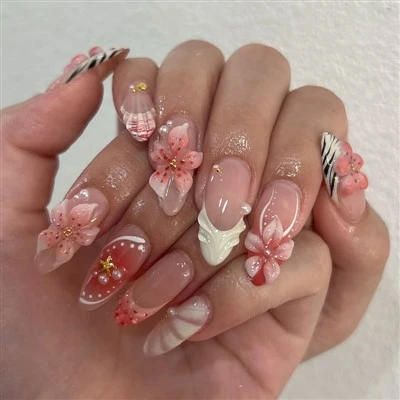
Cat Eye Press On Nails Don’t settle for flimsy files that wear out after a few uses or leave your nails jagged. Shape the perfect stiletto with tools designed for precision, and reach out to us today to learn more about our bulk ordering and custom options.
References
- American Academy of Dermatology. (2022). Nail Care Tips for Healthy Nails.
- International Journal of Cosmetic Science. (2019). The Effect of Nail Filing Grit on Nail Plate Integrity.
- Nail Technicians Association. (2021). Professional Shaping Techniques for Stiletto and Pointed Nail Designs.
- Journal of Dermatology and Skin Care. (2020). Common Nail Damage from Improper Shaping Tools and Techniques.
Yiwu Xinzhuo Nails Co., Ltd.
As one of the most professional nail file manufacturers and suppliers in China, we offer a wide range of products with superior quality. We warmly welcome you to wholesale premium nail file in stock here from our factory. Customized orders are welcome.
Address: No 301,Gaotang Road,SuxiTown,Yiwu City,Zhejiang Province,,China
E-mail: jenson@xinzhuonails.com
WebSite: https://www.xinzhuonails.com/
