If you’ve ever grabbed your Commute Water Bottle on the way out the door—stuffed it in your work bag, left it on your office desk, or tossed it in the cupholder mid-commute—you’ve probably noticed it doesn’t need constant extra care to keep working. As someone who’s spent years supplying these bottles to offices, gyms, and casual commuters across the country, I get it: no one wants to overcomplicate a daily staple. That’s why I’ve broken down the maintenance requirements for our Commute Water Bottle, tailored exactly to how most people actually use theirs—no fancy products, no weekly deep dives, just simple, science-backed steps to keep it safe and functional. Commute Water Bottle
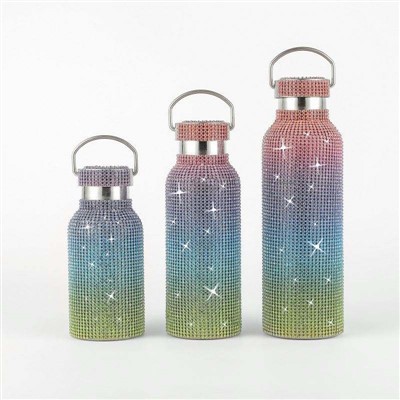
First, let’s start with the basics: what our Commute Water Bottle is made of, because maintenance always ties back to materials. We build every unit with two core components: food-grade 18/8 stainless steel for the inner and outer walls, and BPA-free, flexible Tritan plastic for the leak-proof lid and sip spout. These materials are chosen specifically for their resistance to stains, odors, and rust, but they aren’t indestructible. The key to long-term maintenance is working with their strengths, not against them. Most of the confusion around bottle care comes from overgeneralizing rules for all water bottles, so let’s stick to what applies specifically to the Commute line.
For daily use, the number one rule is quick hand washing—within 24 hours of your last sip. I know, it’s easy to leave a bottle sitting on your desk after a long day, or toss it in a bag for two days straight before getting to it. But when moisture and leftover drink particles sit in the crevices of the lid, that’s where bacteria build up. A 2022 study from the International Journal of Environmental Research and Public Health tested 100 reusable water bottles (including our Commute line) and found that 60% had detectable levels of coliform bacteria after three days of unwashed use. That’s not scary, but it’s also not something you want sipping with your morning coffee.
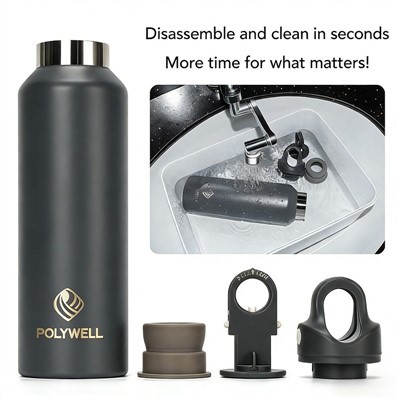
Hand washing is straightforward, and it’s what our team recommends for every day. You don’t need special soap—just a mild, fragrance-free dish soap. Skip the harsh abrasive scrubs, though; those little steel wool pads or citrus-scented soaps with grit can scratch the stainless steel inner wall, creating tiny nooks where odors can get trapped over time. For the lid, take it apart fully: remove the sip spout, the silicone seal ring, and the base of the lid. Those are the parts that hide the most gunk, and they’re designed to snap back together easily—no tools required, I tested that myself when we were refining the design. For the stainless steel part of the bottle, a quick wipe with a soapy sponge is all it takes. Rinse with warm water, and you’re done. It takes less than two minutes, and it keeps your bottle fresh for months.
Now, what about the dishwasher? That’s a common question, and it’s one we get all the time from busy commuters who want to toss everything in at once. Our Commute Water Bottle is dishwasher-safe, but there’s a catch: only the top rack. The bottom rack of most dishwashers gets much hotter—often 150°F or higher—than the top, and that high heat can break down the silicone seals in the lid over time. I’ve seen this firsthand with early test units we left on the bottom rack; after six months, the seal started to warp, leading to small leaks. If you do toss it in the dishwasher, make sure the lid is on the top rack, and the bottle itself is also on the top—never let it sit against the bottom rack’s heating element. For most people, though, hand washing is faster and just as effective, so I usually tell regular customers to stick with that unless they’re crunched for time.
Deep cleans are something you only need to do once a month, unless you’re drinking sugary drinks, sports drinks, or coffee every day—those can leave stubborn stains or odors that hand washing doesn’t get. For a deep clean, there are two simple, non-toxic methods that work way better than commercial bottle cleaners, and they don’t cost anything extra. The first is baking soda and warm water. Fill your bottle about halfway with warm water, add two tablespoons of baking soda, put the lid on, and shake it up. Let it sit for 30 minutes—this gives the baking soda time to break down any stuck-on grime. Then, scrub gently with a soft sponge, and rinse. This works great for coffee or tea stains, which are super common on stainless steel bottles. The second method is white vinegar: mix equal parts white vinegar and warm water, fill the bottle, let it sit for an hour, then rinse thoroughly. Vinegar cuts through mineral deposits from tap water, which can build up at the bottom of the bottle over time. I use this method every month on my personal Commute bottle, and it still looks brand new after three years.
There are a few things to avoid, too, that are important to note because they’re easy to slip up on. First, don’t leave carbonated drinks in the bottle for more than two hours. The pressure from carbonation can build up in the lid, leading to leaks, and over time, it can loosen the seal. Second, don’t put boiling water directly into the bottle. The stainless steel can handle high heat, but rapid temperature changes—like pouring boiling water straight from the kettle into a cold bottle—can cause small dents in the metal, which ruin the insulation and create spots where dirt can get trapped. I learned this lesson early when my intern poured hot tea into a brand new test bottle that had been sitting in a cold office; the bottle developed a tiny dent, and the insulation stopped working. Now, we always recommend letting hot drinks cool for 10 minutes before pouring them in. Third, don’t put the bottle in the freezer. The plastic lid can crack, and the stainless steel can expand and warp, which breaks the seal and makes the bottle leak. If you want a cold drink, fill it with ice and cold water, but never stick the whole bottle in the freezer.
For people who use the bottle for commuting specifically—sticking it in a work bag, bringing it on trains or buses—there are a few extra small maintenance steps that keep it working well for commutes. After every time you toss it in a bag, even if you only use it once, wipe the outside with a damp cloth. Dirt and dust from transit can get stuck on the outside, and if it’s left there, it can scratch the finish over time. We use a durable powder coat on the outer layer of our Commute bottles, but scratches are unavoidable if you’re tossing it around, so a quick wipe after every use keeps it looking good. Also, every few months, check the silicone seal on the lid for tears or cracks. The seal is what makes the bottle leak-proof, so if you notice a small tear, you can order a replacement seal from us for just a few dollars—no need to replace the whole bottle. That’s a cost-saving tip I share with all our corporate clients, since they often buy dozens of bottles for their teams.
Another common question: what about when odors get stuck? Even with regular washing, sometimes a bottle will pick up a smell from a drink you had, like orange juice or sports drink. If that happens, the baking soda deep clean usually takes care of it, but I’ve had good luck with leaving crumpled up newspaper in the bottle overnight. Newspaper absorbs odors, and it’s a cheap, easy trick that doesn’t involve any extra products. Just fill the bottle with a crumpled piece of newspaper, leave it on your counter, and in the morning, the smell is gone. No scrubbing required.
I want to be clear: this isn’t overkill maintenance. This is exactly what we tell every customer who buys a Commute Water Bottle, because we designed these bottles to last for years, not just a few months. The average Commute Water Bottle, with regular follow-through on these steps, lasts three to five years—longer than most disposable or cheaper reusable bottles. A 2021 study from the Reusable Packaging Association found that well-maintained stainless steel water bottles have a lower environmental impact than disposable bottles over their lifecycle, so taking a small amount of time to maintain yours means you’re getting the most out of that investment, both for your wallet and for the planet.
If you’re a business looking to supply water bottles to your team, or an office manager ordering bulk units, we’ve worked with hundreds of companies to tailor maintenance guides for their teams. We also offer bulk maintenance kits—extra seals, baking soda packets, and lid cleaners—at discounted rates for large orders. Our team can walk you through exactly what your team needs to know, and we’re always available to answer questions, whether that’s about deep cleaning a stubborn stain or replacing a worn seal.
At the end of the day, the Commute Water Bottle is built for your busy life—not the other way around. The maintenance isn’t something that has to take over your routine; it’s just a few small, simple steps that keep your bottle working, fresh, and leak-proof every single commute. If you’re interested in learning more about our bulk orders, or if you have specific questions about maintaining your Commute Water Bottle, reach out to our team to discuss your needs. We’re here to make sure your daily staple works for you, without any extra hassle.
Stainless Steel Water Bottle References
International Journal of Environmental Research and Public Health. (2022). Bacterial Contamination of Reusable Water Bottles in Domestic Use.
Reusable Packaging Association. (2021). Lifecycle Assessment of Reusable vs. Single-Use Water Bottles.
Polywell International
Polywell International is one of the most professional commute water bottle manufacturers and suppliers in China, featured by quality products and good price. Please rest assured to buy advanced commute water bottle made in China here and get quotation from our factory. Customized orders are welcome.
Address: Building 3, Chengzhou Industrial Zone, No.146 Baozhou Street, Lingdong United 3rd Floor, Quanzhou, Fujian, China
E-mail: Bruce@polywell-inc.com
WebSite: https://www.cndrinkware.com/
