As a seasoned supplier of Box Type Substations, I’ve had the privilege of being deeply involved in the industry for many years. The quality of our products is not just a matter of compliance with standards; it is the cornerstone of our reputation and the trust our customers place in us. In this blog, I’ll delve into the comprehensive quality inspection items that we implement for Box Type Substations, ensuring that every unit leaving our facilities meets the highest level of quality and reliability. Box Type Substation

External Appearance Inspection
The first step in our quality inspection process is to examine the external appearance of the Box Type Substation. This might seem like a simple visual check, but it is crucial for several reasons. First, the outer enclosure should be free from any visible dents, scratches, or deformities. These imperfections could not only affect the aesthetic appeal but also potentially compromise the structural integrity of the enclosure. A damaged enclosure may allow moisture, dust, or pests to enter, which can cause serious damage to the internal components over time.
We also pay close attention to the paint finish. The paint should be evenly applied, without any signs of peeling, blistering, or uneven color. A good paint finish provides not only an attractive look but also acts as a protective layer against corrosion. We measure the paint thickness to ensure it adheres to the specified standards, as an appropriate thickness is necessary to provide long – term protection in various environmental conditions.
In addition, all doors, windows, and access panels should be properly aligned and fit tightly. They should open and close smoothly without any jamming or abnormal noise. This is important for easy maintenance and also to prevent unauthorized access to the substation’s interior.
Electrical Performance Testing
The heart of any Box Type Substation lies in its electrical performance. One of the key tests is the insulation resistance test. This test is used to measure the resistance of the insulation materials between different electrical conductors and between conductors and the enclosure. A high insulation resistance value indicates good insulation quality, which is essential to prevent electrical leakage and short – circuits. We use specialized insulation resistance testers to accurately measure these values, and we compare the results against established industry standards.
Another critical test is the dielectric strength test. During this test, a high – voltage is applied to the electrical components for a specific period. The components should be able to withstand this high – voltage without breaking down. This test helps to identify any weaknesses in the insulation system that might not be detected under normal operating conditions. By subjecting the components to a higher stress level, we can ensure their long – term reliability in real – world applications.
The short – circuit withstand current test is also a must – do. This test simulates the conditions during a short – circuit event. The substation should be able to withstand the high currents generated during a short – circuit without significant damage. We measure the thermal and mechanical effects on the conductors and other components during the test to ensure that they can safely carry the short – circuit current for the required time.
Protection Device Functionality Test
Box Type Substations are equipped with various protection devices to safeguard the electrical system and prevent damage in case of faults. The over – current protection device is one of the most important ones. We test the accuracy of its tripping characteristics. By applying different levels of over – current, we check if the device trips at the pre – set current values. This ensures that in the event of an over – current situation, the device will operate correctly to protect the electrical equipment and prevent potential fires or other hazards.
The over – voltage and under – voltage protection devices are also thoroughly tested. These devices are designed to protect the substation and connected equipment from the damage caused by abnormal voltage levels. We simulate over – voltage and under – voltage conditions and check if the devices can detect these conditions in a timely manner and take appropriate actions, such as tripping the circuit or alerting the control system.
The differential protection system, if installed, is also tested. This system is used to detect internal faults within a specific electrical section. We test its sensitivity and reliability by creating artificial faults in the protected area and observing the response of the differential protection device.
Temperature Rise Test
During normal operation, the electrical components in a Box Type Substation generate heat. Excessive heat can degrade the performance of the components and reduce their lifespan. Therefore, we conduct temperature rise tests. We use temperature sensors to monitor the temperature of key components such as transformers, circuit breakers, and busbars. The substation is operated under normal load conditions for a certain period, and the temperature rise is measured. The measured temperature rise should not exceed the allowable limits specified in the relevant standards. If the temperature rise is too high, it may indicate problems such as improper ventilation, overloading, or a malfunction in the component itself.
Mechanical Structure and Installation Check
The mechanical structure of the Box Type Substation must be strong enough to withstand various environmental forces and provide a stable platform for the internal components. We check the strength and stability of the frame structure. This includes examining the welds for any signs of cracking or poor penetration. A weak weld can compromise the overall structural integrity of the substation.
All components should be properly installed and secured. We ensure that all bolts, nuts, and other fasteners are tightened to the correct torque values. Loose fasteners can cause vibrations during operation, which can lead to premature wear and tear of the components and potential electrical connection problems.
The ventilation system is also a key part of the mechanical structure. Proper ventilation is essential to dissipate heat generated by the electrical components. We check the efficiency of the ventilation fans, the size and condition of the ventilation ducts, and the overall airflow rate within the substation.
Compatibility and Interoperability Testing
In many cases, Box Type Substations need to be integrated into larger electrical systems. Therefore, we conduct compatibility and interoperability tests. We test the communication interfaces between different components within the substation, such as the connection between the control system and the protection devices. The communication should be stable and error – free, allowing for real – time monitoring and control of the substation.
We also test the compatibility of the substation with the power grid. This includes checking the synchronization of the substation’s output voltage and frequency with the grid. Any deviation from the grid parameters can cause problems such as power quality issues or even damage to the connected equipment.
Documentation and Traceability
Finally, we ensure that all the necessary documentation is complete and accurate. This includes test reports, operation manuals, maintenance guides, and certification documents. The documentation provides valuable information for the customers during the installation, operation, and maintenance of the Box Type Substation. We also maintain a traceability system for all the components used in the substation. This allows us to track the origin, production date, and quality control history of each component, which is essential for quality management and in case of any post – sales issues.
In conclusion, as a Box Type Substation supplier, we are committed to providing high – quality products that meet the diverse needs of our customers. Our comprehensive quality inspection items cover every aspect of the substation, from the external appearance to the internal electrical performance and compatibility. By adhering to strict quality control standards, we can ensure that our Box Type Substations are reliable, safe, and efficient.
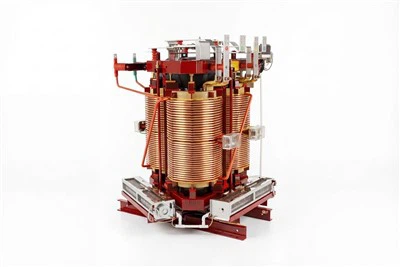
If you are in the market for a Box Type Substation, we invite you to contact us for a detailed discussion. Our experienced team is ready to provide you with the best – suited solutions for your specific requirements.
Box Type Substation References:
- Electrical Power Distribution Handbook, McGraw – Hill
- IEC Standards for Substations
- IEEE Guidelines on Electrical Equipment Testing
Jiangsu Yuantong Electric Co., Ltd.
As one of the most experienced box type substation manufacturers and suppliers in China, we also support customized service. Please rest assured to wholesale bulk high quality box type substation in stock here from our factory. Contact us for more details.
Address: No. 202, Qiaogang Road, Xicheng Subdistrict, Hai’an City
E-mail: jsytdq@jsytelectric.com
WebSite: https://www.jsytelectric.com/
