Hey there! I’m in the business of supplying Rotary Lobe Pumps, and I often get asked, "What’s the cost of a Rotary Lobe Pump?" Well, it’s not a one-size-fits-all answer, and there are quite a few factors that come into play. So, let’s dive right into it. Rotary Lobe Pump
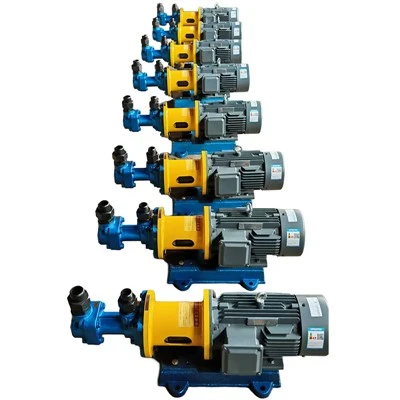
First off, what the heck is a Rotary Lobe Pump anyway? It’s a type of positive displacement pump that uses two or more lobes rotating to move fluid. They’re pretty cool because they can handle all sorts of stuff, from thin liquids to thick, viscous substances like honey or syrup. These pumps are used in many industries, like food and beverage, pharmaceuticals, and chemical processing.
Now, let’s talk about the cost. The price of a Rotary Lobe Pump can vary a whole lot. It can start from a few hundred bucks for a small, basic model, and go up to tens of thousands of dollars for a high – end, industrial – grade pump.
One of the biggest factors that affect the cost is the size of the pump. Smaller pumps, with lower flow rates and less power, are generally cheaper. They’re great for small – scale operations or applications where you don’t need to move a huge amount of fluid. For example, a small Rotary Lobe Pump used in a local bakery to transfer a bit of icing from one container to another is probably going to be relatively inexpensive.
On the other hand, larger pumps with higher flow rates and more power are more expensive. These are used in big factories or processing plants where they need to move large volumes of fluid quickly. A big – time chemical plant that needs to pump tons of chemicals through its pipes every hour is going to need a heavy – duty Rotary Lobe Pump, and that’s going to cost a pretty penny.
The materials used in the pump also play a huge role in the cost. Pumps made from basic materials like cast iron are usually cheaper. Cast iron is strong and durable, and it’s a common choice for many general – purpose applications. But if you need a pump that can handle corrosive fluids, you’re going to need something better. Stainless steel is a popular option because it’s resistant to corrosion. However, stainless steel pumps are more expensive than cast iron ones. And if you need even more exotic materials, like titanium, for extremely harsh environments, the cost can skyrocket.
Another factor is the level of precision and quality of the pump. High – quality pumps are built to very tight tolerances. They run more smoothly, last longer, and require less maintenance. But all that quality comes at a cost. Cheaper pumps might be less precise, which can lead to issues like leaks or reduced efficiency over time.
The brand of the pump can also influence the price. Well – known brands that have a reputation for reliability and quality usually charge more for their products. They’ve invested a lot in research and development, and they stand behind their pumps with good customer service and warranties. But that doesn’t mean you can’t find a good, affordable pump from a lesser – known brand. There are plenty of up – and – coming manufacturers that are making quality pumps at a lower cost.
Let’s take a look at some real – world scenarios. Say you’re running a small dairy farm. You need a Rotary Lobe Pump to transfer milk from the milking area to the storage tank. A small to medium – sized pump made from stainless steel would be perfect. You could probably find a decent one for around $1,000 to $3,000.
Now, if you’re in the pharmaceutical industry, where precision and hygiene are critical, you’re going to need a high – end Rotary Lobe Pump. These pumps are often made from top – notch materials, and they’re designed to meet strict industry standards. You could be looking at a cost of $10,000 or more for a single pump.
It’s also important to think about the long – term costs of owning a Rotary Lobe Pump. Maintenance is a big one. Some pumps require more frequent maintenance than others. For example, a pump with a lot of moving parts might need more oil changes, seal replacements, and general upkeep. This can add up over time. Energy consumption is another factor. A more efficient pump will cost less to run, so it’s worth investing in a pump that has good energy – saving features.
When you’re considering the cost of a Rotary Lobe Pump, it’s not just about the upfront price. You need to look at the whole picture. The cost of installation, training your staff to use the pump properly, and any additional accessories or parts you might need all factor into the total cost of ownership.
So, what’s the bottom line? The cost of a Rotary Lobe Pump can vary widely depending on size, materials, quality, brand, and long – term costs. But as a Rotary Lobe Pump supplier, I’m here to help you find the right pump for your needs at a price that makes sense for your budget.
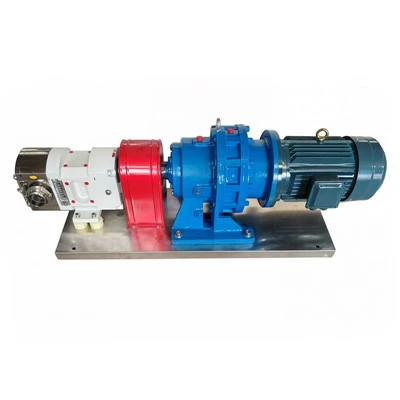
If you’re in the market for a Rotary Lobe Pump, whether it’s for a small business or a large industrial operation, I’d love to talk to you. I can help you figure out exactly what you need and give you a quote that fits your situation. Don’t hesitate to reach out for a no – obligation consultation. Let’s work together to find the perfect Rotary Lobe Pump for your business.
Screw Pump References:
- "Pump Handbook" by Igor Karassik, Joseph Messina, Paul Cooper, and Charles Heald
- Industry reports on positive displacement pumps from leading market research firms
- Technical documentation from major Rotary Lobe Pump manufacturers
Botou Hengyang Pump & Valve Co., Ltd.
With abundant experience, we are one of the most professional rotary lobe pump manufacturers and suppliers in China. Please feel free to buy high standard rotary lobe pump made in China here and get pricelist from our factory. All customized pumps are with high quality and competitive price.
Address: No. 159, Road 1, Development Zone, Botou City, Cangzhou, Hebei Province, China
E-mail: bthdbf@163.com
WebSite: https://www.hyoilp.com/
