Glycoluril resin, a remarkable material known for its outstanding chemical and physical properties, has found wide applications across various industries. One aspect that often piques the interest of potential customers is the available color options for this resin. As a well – established supplier of glycoluril resin, I am delighted to delve into this topic and provide you with a comprehensive overview. Glycoluril Resin
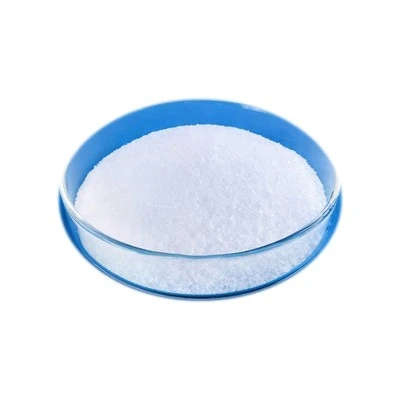
Natural Color of Glycoluril Resin
The natural state of glycoluril resin typically presents as a clear to pale yellow color. This inherent coloring is a result of its chemical composition and the manufacturing process. The clear form is highly valued in applications where transparency is crucial. For example, in the production of certain optical components or clear coatings, the clear glycoluril resin allows for maximum light transmission. The pale yellow tint might be a result of minor impurities or the interaction of the resin’s molecules during the synthesis, but it does not significantly affect the resin’s performance in most cases.
Custom – Colored Glycoluril Resin
Beyond its natural color, we offer a wide range of custom – coloring options for glycoluril resin. This is made possible through the incorporation of pigments or dyes during the resin manufacturing or compounding process.
Pigments in Glycoluril Resin
Pigments are insoluble particles that are dispersed throughout the resin matrix to impart color. There are two main types of pigments used with glycoluril resin: inorganic pigments and organic pigments.
Inorganic pigments, such as titanium dioxide (TiO₂) for white color, are well – known for their excellent lightfastness and heat stability. Titanium dioxide is a popular choice due to its high refractive index, which provides a bright white color with good opacity. It is commonly used in applications where protection from UV light and high – temperature resistance are required, such as in outdoor coatings or automotive parts. Iron oxide pigments, available in various colors like red, yellow, and brown, are also frequently used. They offer good chemical resistance and are relatively inexpensive.
Organic pigments, on the other hand, provide a broader range of bright and vivid colors. They are usually more transparent than inorganic pigments and can be used to create special effects. For instance, phthalocyanine blue and green pigments are known for their high color strength and excellent weatherability. These pigments are often used in decorative coatings or in the manufacturing of colored plastics where a unique and eye – catching appearance is desired.
Dyes in Glycoluril Resin
Dyes are soluble colorants that dissolve in the resin to give a homogeneous color. They offer a high degree of transparency and can be used to achieve very subtle color shades. Compared to pigments, dyes have a lower hiding power, but they can provide a more uniform color throughout the resin. For example, in applications where a transparent colored resin is needed, such as in the production of colored lenses or clear packaging materials, dyes are the preferred choice. However, dyes may be less resistant to light and heat compared to pigments, so their use is more restricted in applications that are exposed to harsh environmental conditions.
Applications and Color Considerations
The choice of color for glycoluril resin largely depends on the specific application.
Coating Industry
In the coating industry, color is not only a matter of aesthetics but also functionality. For interior architectural coatings, a wide range of colors is available to match different design requirements. White coatings are commonly used for a clean and bright look, while pastel colors can create a soft and inviting atmosphere. In industrial coatings, the color may be selected to indicate the type of product or to provide protection from the environment. For example, yellow or orange coatings are often used for safety markings, while dark – colored coatings can absorb heat and are suitable for certain equipment.
Plastic Manufacturing
In plastic manufacturing, glycoluril resin can be colored to mimic the appearance of natural materials or to create a unique brand identity. For example, in the production of consumer electronics, the plastic parts made from glycoluril resin can be colored to match the overall design of the product. Black is a popular color for high – tech devices, while bright colors are often used for children’s toys or fashion – oriented products.
Adhesive Applications
In adhesive applications, the color of the resin may not be as critical as in other industries, but it can still play a role. For example, in some cases, a transparent adhesive is preferred to ensure that the bonded materials remain visible. In other cases, a colored adhesive may be used to match the surrounding materials or to provide a decorative effect.
Quality Assurance in Colored Glycoluril Resin
As a responsible supplier, we place a high emphasis on quality assurance in the production of colored glycoluril resin. We ensure that all pigments and dyes used are of high quality and comply with relevant industry standards. Our quality control team conducts rigorous testing on the colored resin to ensure that it meets the required color fastness, chemical resistance, and mechanical properties.
We use advanced color – matching technology to ensure that the color of the resin is consistent from batch to batch. This is particularly important for customers who require a large quantity of resin or who need to maintain a uniform color across different products. Our color – matching process involves using a spectrophotometer to measure the color of the resin and compare it to a standard color sample. Any deviations are carefully adjusted to ensure that the final product meets the customer’s specifications.
Environmental Considerations
In today’s environmentally conscious world, we are also committed to providing environmentally friendly color options for glycoluril resin. We offer a range of low – VOC (volatile organic compound) pigments and dyes that are less harmful to the environment and human health. These eco – friendly colorants are designed to meet the strict environmental regulations in various regions. Additionally, we are constantly researching and developing new color technologies to further reduce the environmental impact of our products.
Conclusion

In conclusion, glycoluril resin offers a wide range of color options, from its natural clear to pale yellow color to a vast array of custom – colored choices. Whether you need a transparent resin for optical applications, a bright and vivid color for decorative purposes, or a specific color for functional reasons, we can meet your requirements. As a reliable supplier of glycoluril resin, we have the expertise and resources to provide you with high – quality colored resin that meets your exact specifications.
Nitrate Water-soluble Fertilizer If you are interested in exploring our color options for glycoluril resin or have any other questions regarding our products, I encourage you to reach out and initiate a procurement discussion. We are more than happy to provide you with samples, detailed product information, and competitive quotes. Our team of experts is ready to assist you in finding the perfect color and resin solution for your project.
References
- “Pigments and Fillers in Polymers” by J. G. Pritchard
- “Coating Technology Handbook” edited by P. K. T. Oldring
- “Plastic Materials” by J. A. Brydson
Yuncheng Tianhua Chemical Co., Ltd.
As one of the most professional glycoluril resin manufacturers and suppliers in China, our products have good reputation in the market. Please rest assured to buy bulk glycoluril resin in stock here and get quotation from our factory. For price consultation, contact us.
Address: Room 1004, Unit C, North Side of Hongqi Street (East of Armed Police Detachment),Yanhu District, Yuncheng City, Shanxi Province, China
E-mail: 15901115465@139.com
WebSite: https://www.ycthchemical.com/
