In the biofuel industry, the quality of biofuel pellets is of paramount importance. One of the key factors that significantly influence the quality and performance of biofuel pellets is their shape. As a supplier of biofuel pellet lines, I have witnessed firsthand the impact of pellet shape on the efficiency of production, the combustion characteristics of the pellets, and the overall marketability of the final product. In this blog, I will share some insights on how to optimize the pellet shape in a biofuel pellet line. Biofuel Pellet Line

Understanding the Importance of Pellet Shape
The shape of biofuel pellets affects various aspects of their performance. Firstly, it impacts the density of the pellets. Well – formed pellets with a consistent shape tend to have a higher density, which means they contain more energy per unit volume. This is crucial for transportation and storage, as higher – density pellets take up less space and can be transported more economically.
Secondly, the shape of the pellets influences their combustion efficiency. Pellets with a regular shape burn more evenly, reducing the likelihood of incomplete combustion and the production of harmful emissions such as carbon monoxide. This not only makes the biofuel more environmentally friendly but also ensures that the maximum amount of energy is extracted from the pellets.
Finally, the appearance of the pellets matters in the market. Customers are more likely to purchase biofuel pellets that look uniform and well – made. A good pellet shape enhances the overall quality perception of the product, which can lead to increased sales and customer satisfaction.
Factors Affecting Pellet Shape
Raw Material Characteristics
The type and quality of the raw materials used in the biofuel pellet production process play a significant role in determining the pellet shape. Different biomass materials have different physical and chemical properties. For example, sawdust from hardwoods may produce denser and more uniform pellets compared to softwood sawdust. The moisture content of the raw material is also crucial. If the moisture content is too high, the pellets may be too soft and prone to deformation. On the other hand, if the moisture content is too low, the pellets may crack during the extrusion process.
Die Design
The die is a critical component in the biofuel pellet line. The design of the die, including the hole diameter, length, and shape, directly affects the shape of the pellets. A well – designed die can ensure that the pellets are extruded with a consistent shape and size. For example, a die with a proper hole diameter and length ratio can help to achieve the desired density and shape of the pellets. Additionally, the surface finish of the die can also impact the pellet shape. A smooth die surface can reduce friction during the extrusion process, resulting in better – formed pellets.
Extrusion Pressure
The extrusion pressure in the pellet mill is another important factor. If the pressure is too low, the pellets may not be compacted enough, resulting in a loose and irregular shape. Conversely, if the pressure is too high, the pellets may be over – compacted, leading to cracking or deformation. Finding the optimal extrusion pressure is essential for producing high – quality pellets with a consistent shape.
Cooling Process
After the pellets are extruded, they need to be cooled down to room temperature. The cooling process can affect the final shape of the pellets. If the cooling is too rapid, the pellets may contract unevenly, causing them to crack. On the other hand, if the cooling is too slow, the pellets may be more likely to deform due to their soft state for a longer period. A controlled and gradual cooling process is necessary to ensure that the pellets maintain their shape.
Strategies for Optimizing Pellet Shape
Raw Material Preparation
To optimize the pellet shape, it is essential to carefully prepare the raw materials. This includes selecting the right type of biomass and controlling its moisture content. Biomass should be properly dried to a moisture content of around 10 – 15%. This can be achieved through various drying methods such as using a rotary dryer or a belt dryer. Additionally, the raw materials should be screened to remove any large particles or impurities that could affect the pellet shape during the extrusion process.
Die Selection and Maintenance
Choosing the right die for your biofuel pellet line is crucial. Consider the type of biomass you are using and the desired pellet size and shape. Work with a reputable die manufacturer to ensure that the die is designed to meet your specific requirements. Regular maintenance of the die is also necessary. This includes cleaning the die holes to prevent blockages and checking for any signs of wear and tear. A well – maintained die will produce pellets with a more consistent shape over time.
Adjusting Extrusion Parameters
Experiment with different extrusion pressures and speeds to find the optimal settings for your pellet line. Start with the recommended settings provided by the equipment manufacturer and make small adjustments based on the quality of the pellets produced. Monitor the pellet density, shape, and hardness during the production process to ensure that the extrusion parameters are appropriate.
Improving the Cooling Process
Implement a proper cooling system for your biofuel pellets. A fluidized bed cooler or a belt cooler can be used to cool the pellets gradually. Control the airflow and temperature in the cooling system to ensure that the pellets cool down evenly. This will help to prevent cracking and deformation of the pellets.
Quality Control and Monitoring
To ensure that the pellet shape is optimized, it is important to implement a comprehensive quality control system. This includes regular inspection of the pellets during the production process. Visual inspection can be used to check for any obvious defects such as cracks, irregular shapes, or inconsistent sizes. In addition, more advanced testing methods such as density measurement and particle size analysis can be used to quantify the quality of the pellets.
Set up a monitoring system to track the key parameters in the pellet production process, such as raw material moisture content, extrusion pressure, and cooling temperature. By continuously monitoring these parameters, you can identify any potential issues early and take corrective actions to maintain the quality of the pellet shape.
Conclusion
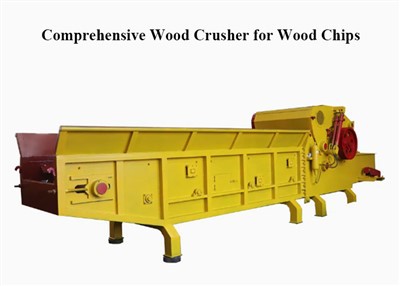
Optimizing the pellet shape in a biofuel pellet line is a complex but achievable task. By understanding the factors that affect pellet shape, implementing appropriate strategies for raw material preparation, die selection and maintenance, extrusion parameter adjustment, and cooling process improvement, and establishing a robust quality control and monitoring system, you can produce high – quality biofuel pellets with a consistent and desirable shape.
Wood Pellet Mill As a biofuel pellet line supplier, I am committed to helping our customers achieve the best possible pellet shape and quality. Our biofuel pellet lines are designed with the latest technology and features to ensure efficient and reliable production. If you are interested in improving the quality of your biofuel pellets or are considering purchasing a biofuel pellet line, I encourage you to contact us for a consultation. We can provide you with customized solutions based on your specific needs and requirements.
References
- Bridgwater, A. V. (2003). Renewable fuels and chemicals by thermal processing of biomass. Chemical Engineering Journal, 91(1 – 3), 87 – 102.
- Gupta, R., & Demirbas, A. (2010). Renewable energy from biomass (part 1): Overview of biomass. Energy Sources, Part A: Recovery, Utilization, and Environmental Effects, 32(18), 1761 – 1772.
- Pordesimo, L. O., & So, J. (2005). Biomass densification: A review of the current technology. Transactions of the ASABE, 48(2), 351 – 362.
Zhengzhou Fanda Machinery Co., Ltd.
Zhengzhou Fanda Machinery Co., Ltd. is one of the most professional biofuel pellet line manufacturers and suppliers in China. Feel free to buy cheap biofuel pellet line for sale from our factory and check the price with us.
Address: Zhisi Road, Zhongyuan District, Zhengzhou, Henan, China.
E-mail: vincenthan@fandamachinery.com
WebSite: https://www.fandapelletmill.com/
