Hey there! I’m a supplier of elevator relays, and I’m super stoked to dive into how these nifty little devices work. Elevator relays are like the unsung heroes of the elevator world, quietly doing their thing to make sure elevators run smoothly and safely. So, let’s get into the nitty – gritty of it all. Elevator Relay

What is an Elevator Relay?
First off, let’s clear up what an elevator relay is. It’s an electrical switch that uses an electromagnet to control the flow of electricity in an elevator system. You can think of it as a sort of traffic cop for the electrical signals in an elevator. It decides when to let the current flow and when to stop it, based on different conditions.
The Basic Components
An elevator relay has a few key parts. There’s the electromagnet, which is like the heart of the relay. When an electrical current passes through the coil of the electromagnet, it creates a magnetic field. This magnetic field then pulls or pushes a set of contacts.
The contacts are another crucial part. They’re like the gates that either let the electricity through or block it. There are usually two types of contacts: normally open (NO) and normally closed (NC). In a normally open contact, the circuit is broken when there’s no current flowing through the electromagnet. When the electromagnet is activated, the contact closes, and the electricity can flow. On the other hand, a normally closed contact is the opposite. The circuit is complete when there’s no current, and it breaks when the electromagnet is energized.
How It Works in an Elevator System
Now, let’s talk about how an elevator relay fits into the big picture of an elevator system. Elevators have all sorts of sensors and controls that need to communicate with each other. For example, there are sensors that detect the position of the elevator car, the weight inside the car, and whether the doors are open or closed.
When you press a button on the elevator panel, that’s the start of a chain reaction. The button sends an electrical signal to the elevator control system. This system then decides what the elevator needs to do next. It might need to move the elevator up or down, or it might need to open or close the doors.
This is where the elevator relay comes in. The control system sends a signal to the relay, which then uses its electromagnet to open or close the contacts. Let’s say you press the "up" button on the first floor. The control system will send a signal to the relay that controls the motor for the upward movement. The relay’s electromagnet gets energized, and the contacts close, allowing electricity to flow to the motor. The motor then starts turning, and the elevator starts moving up.
Safety and Monitoring
Elevator relays also play a huge role in safety. They’re part of the safety circuits in an elevator. For example, there are relays that monitor the speed of the elevator. If the elevator starts going too fast, the relay can cut off the power to the motor, stopping the elevator before it gets out of control.
There are also relays that are used for door safety. When the doors are closing, there are sensors that detect if something is in the way. If an object is detected, the sensor sends a signal to the relay, which then opens the contacts and stops the door from closing. This helps prevent people from getting trapped or injured by the elevator doors.
Types of Elevator Relays
There are different types of elevator relays, each with its own specific job. One common type is the contactor relay. These are usually used to control the high – power circuits in an elevator, like the motor circuits. They’re designed to handle a large amount of current and can switch on and off quickly.
Another type is the control relay. These are used for more low – power control functions, like sending signals between different parts of the elevator control system. They’re smaller and more precise than contactor relays.
Maintenance and Reliability
As a supplier, I know how important it is for elevator relays to be reliable. That’s why regular maintenance is a must. Over time, the contacts in a relay can wear out. The constant opening and closing can cause them to get pitted or corroded. This can lead to problems like poor electrical contact, which can cause the elevator to malfunction.
To keep the relays in good shape, elevator technicians need to check them regularly. They’ll look for signs of wear and tear, and they might clean or replace the contacts if necessary. They’ll also test the relays to make sure they’re working properly.
Why Choose Our Elevator Relays
Now, you might be wondering why you should choose our elevator relays. Well, for starters, we use high – quality materials in our relays. Our electromagnets are made to be strong and durable, and our contacts are designed to last. This means you can count on our relays to work reliably for a long time.
We also offer a wide range of relays to suit different elevator systems. Whether you have a small residential elevator or a large commercial one, we’ve got the right relay for you. And if you’re not sure which relay is best for your needs, our team of experts is always ready to help.
Contact Us for Your Elevator Relay Needs
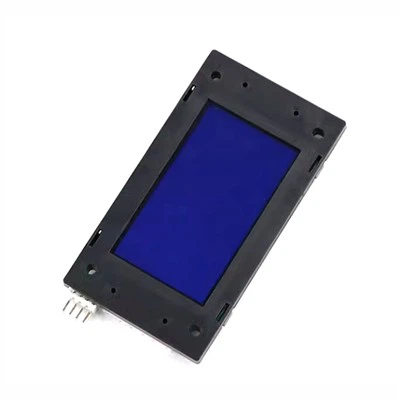
If you’re in the market for elevator relays, we’d love to hear from you. We’re passionate about providing the best products and services to our customers. Whether you’re an elevator manufacturer, a maintenance company, or just someone looking to replace a relay in your building’s elevator, we can help.
Escalator Wheel So, don’t hesitate to reach out. We’re here to answer any questions you might have and to help you find the perfect elevator relay for your needs. Let’s work together to keep your elevators running smoothly and safely.
References
- Electrical Engineering Handbook, Third Edition.
- Elevator Technology and Safety Manual.
- Principles of Electric Relays by A. E. Fitzgerald, Charles Kingsley Jr., and Stephen D. Umans.
Sanjin Elevator Parts Co., Ltd.
Sanjin Elevator Parts Co., Ltd. is one of the most professional elevator relay manufacturers and suppliers in China, featured by quality products and good service. Please rest assured to buy or wholesale high-grade elevator relay at competitive price from our factory.
Address: 18th Floor, Xinyuan Center, Fenghe Road, Xi’an, Shaanxi, China
E-mail: elevatorparts@westdt.com
WebSite: https://www.sanjinelevator.com/
