Hey there! If you’ve ever shopped around for PE shrink film, you’ve probably seen “heat shrinkage rate” pop up a hundred times—and wondered what the heck it even means, or why it matters so much. As a PE shrink film supplier, I get asked this question at least once a day: “What’s the actual heat shrinkage rate of PE shrink film, anyway?” Today, I’m breaking this down like we’re chatting over a coffee (no fancy textbook jargon, promise), because too many suppliers act like this is some top-secret math equation, and it’s just not. PE Shrink Film
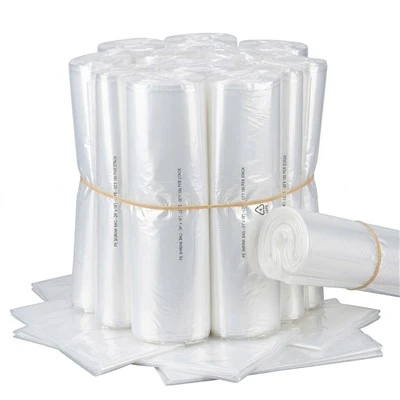
First off, let’s keep it real: PE shrink film (that’s polyethylene, by the way, for anyone who’s new to the game) isn’t a one-size-fits-all product. The heat shrinkage rate? It’s not a random number we pull out of thin air for shits and giggles—it’s a direct result of what we make the film out of, how we process it, and what it’s supposed to shrink around. Let’s start with the basics, no boring lab terms unless I explain ’em like you’re 16.
Heat shrinkage, put simply, is how much the film tightens up when you apply heat. Like, if you have a piece of film that’s 10 inches wide, and when you blast it with a heat gun or a shrink tunnel, it shrinks down to 8 inches—that’s a 20% shrinkage rate in the width direction. Same goes for length, obviously. Now, here’s the key thing to remember: PE film shrinks differently along its “machine direction” (that’s the direction it’s pulled through the extruder machine when we make it, so think lengthwise) and its “transverse direction” (sideways, across the roll). We call that “differential shrinkage,” and it’s a good thing when it’s done right—you don’t want a film that shrinks the same in both directions, because that’s a nightmare to work with when you’re wrapping boxes, pallets, or whatever.
Now, the actual numbers. This is where I can’t just say “it’s 50%” because that’s lying. Most standard-grade PE shrink film (the stuff we use for regular pallet wrapping, product bundling, that everyday stuff) has a total heat shrinkage rate of… wait, let’s get specific: typically, 25% to 40% in the machine direction, and 50% to 75% in the transverse direction. Yeah, that’s a big gap, but that’s because we tweak it for the job. Let’s break down why: if you’re wrapping a pallet full of heavy boxes, you need that transverse shrink to grab tight so the load doesn’t shift, right? That higher transverse shrink (around 60-70% for standard stretch-shrink film) is perfect for that. If you’re bundling smaller stuff, like cans or bottles, maybe you want a little less, so we can dial that back to 30-40% transverse, 20-30% machine.
Wait, but what about the fancy stuff? Like the low-shrink PE film people use for sensitive products—electronics, food that can’t take too much heat? That’s where we get into 10-25% total shrinkage, both directions. And the high-shrink stuff for really odd-shaped items, like irregularly shaped parts or bulky toys? Yeah, that can hit up to 80% transverse shrink, no bullshit. But why the range? Because we adjust the resin mix. PE comes in different grades—LDPE (low density), LLDPE (linear low density), MDPE, even blended resins—and each has different molecular properties that change how much it shrinks when heated. The processing too: when we biaxially orient the film (that’s stretching it while it’s hot, then cooling it quickly to “lock in” that stretch), that’s what gives it the shrink capability in the first place. If we stretch it more, it shrinks more when reheated. Makes sense, right?
Now, here’s the part most people get wrong: shrinkage rate isn’t a fixed number that stays the same forever. Wait, no—specific shrink values are tested at a standard temperature, usually around 150°C (302°F) because that’s the sweet spot for PE. If you heat it too low, it won’t shrink all the way; heat it too high, it might melt, or shrink unevenly. Also, ambient conditions matter a little—if the film’s been sitting in a hot warehouse for months, some of that initial “tension” wears off, so shrinkage might drop a tiny bit, but that’s only if it’s exposed to extreme heat long-term, not regular storage.
As a supplier, I’ll be honest with you: I’ve had customers come to me saying, “Your film’s shrink rate is wrong—your competitor’s is higher!” And half the time, that’s because they tested it at a different temperature. Some suppliers will quote shrinkage at 120°C instead of 150°C, which is way lower, so the shrink number looks higher. That’s garbage, in my opinion. We test all our shrink rates at the industry standard, because that’s what you’re actually going to use. If your heat tunnel runs at 150°C, you need to know it’ll shrink at that temp, not some fake lower one.
Let’s give a real example, because I hate when people ramble without examples. Last month, a customer came to me wrapping pallets of gardening tools—metal shovels, rakes, all heavy, a bit irregular. They’d been using a competitor’s film that said 60% transverse shrink, but when they ran it through their tunnel, it only shrank 45%, so the pallets were shifting during shipping. We sent them our standard pallet shrink film: tested at 65% transverse shrink (150°C), 32% machine direction. They ran it, and it shrank exactly 63%—tight enough that not a single pallet shifted on the 3-day truck route. They ended up reordering 10 rolls that week. That’s the difference between knowing your shrink rate and just throwing numbers around.
Another example: a small business that sells custom candle bundles. They needed film that wouldn’t shrink so much that it would squeeze the candles and mess up their packaging labels. We went with our low-shrink PE blend: 22% transverse, 12% machine. It applied easily, no label damage, held the bundles tight, and they haven’t switched since. That’s when getting the right shrink rate matters for the end product, not just the load stability.
Wait, also—let’s address a myth I hear all the time: “higher shrink rate is better.” No, that’s not true. If you’re wrapping glass jars, a 70% shrink rate might be too much—it could crack the jars when it tightens around them. Or if you’re wrapping a box that has a delicate plastic part, too much shrink would warp it. Shrink rate is only as good as it is for your specific application. A good PE shrink film supplier will ask you what you’re wrapping, what heat equipment you have, how you’re using it, and then match the shrink rate accordingly—not just sell you the highest number on the roll.
Now, let’s talk about how we measure this, just so you know we’re not making it up in the warehouse. It’s super simple: we cut a 100mm x 100mm (about 4in x 4in) square of film, mark the length and width, weigh it or just measure it precisely, then put it in a convection oven set to our test temp (150°C) for exactly 30 seconds. Then we take it out, let it cool, measure the new length and width, and calculate the shrinkage percentage: (original length – new length) / original length x 100. That’s it. No fancy rocket science, just consistent testing so you get accurate numbers.
What about common mistakes customers make when choosing shrink rate? A big one is matching the shrink rate to the load, not the size. If you have a 48×40 inch pallet, you need enough transverse shrink to pull it tight, not just enough to fit over the top. Another mistake is forgetting that shrink rate relates to your heat source. If you have a hand heat gun instead of an automated shrink tunnel, you might want a slightly higher shrink rate, because you’re moving the gun around and the heat is less uniform. We adjust for that too—we can tweak blends to have faster shrink at lower temps for smaller operations with heat guns, or slower, more controlled shrink for high-volume tunnels.
As your go-to PE shrink film supplier, I’ve seen way too many people waste money on film with the wrong shrink rate. Either it’s too low and their product shifts, or it’s too high and they damage their goods, or they’re paying for a shrink rate they don’t need (high-shrink film is usually more expensive, after all). That’s why we’re straight with you: we don’t lie about our shrink rates, we don’t upsell you on something you don’t need, and we’ll help you figure out exactly what number works for your job.
Let me wrap this up without being too salesy, but here’s the thing: if you’re in the market for PE shrink film, don’t just Google “heat shrinkage rate” and pick the first number you see. Understand that it’s tailored to your use case, that standard testing is key, and that a good supplier will walk you through it. Our shrink rates are tested at industry standards, we have custom blends for every application, and we don’t believe in hidden numbers. If you’re tired of film that doesn’t shrink how it’s supposed to, if you’ve been dealing with shifting pallets or damaged products because of bad shrink rate, hit us up to chat about your needs. We’ll send you a sample, run the tests together if you want, and make sure you get exactly the film you need, no guesswork.
At the end of the day, the heat shrinkage rate of PE shrink film isn’t some mysterious metric—it’s a tool, plain and simple. Use the right tool for the job, and your packaging will hold up, your products will get to the customer in one piece, and you won’t have to deal with headaches. That’s the whole point, right?
POF Shrink Film References
- Brandrup, J., Immergut, E. H., & Grulke, E. A. (1999). Polymer Handbook (4th ed.). John Wiley & Sons.
- American Society for Testing and Materials. (2015). Standard Test Method for Thermal Shrinkage of Plastic Films and Sheeting (ASTM D2732). ASTM International.
- Rooney, M. (2005). Polyethylene Shrink Films: Processing and Performance. Journal of Plastic Film & Sheeting, 21(3), 197-212.
Shanghai Ruiyue Plastic Products Co., Ltd.
With abundant experience, we are one of the most professional pe shrink film manufacturers and suppliers in China. We warmly welcome you to buy high quality pe shrink film in stock here from our factory. If you have any enquiry about customized service, please feel free to email us.
Address: No. 1000, Lixue Road, Malu Town, Jiading District, Shanghai
E-mail: shenyang.boss@ruiyueplastics.com
WebSite: https://www.ruiyueplastics.com/
