Hey everyone, it’s Jake here—co-owner of the cooling vest brand you’ve probably seen popping up in worker gear and outdoor adventure groups lately. I get so many questions DMed to my team every week, and one that never fails to come up is: “Can I layer a cooling vest with other thermal clothing?” Honestly, this is such a great question because most people think cooling gear and thermal gear are like oil and water—they should never mix, right? But after years of testing this stuff with industrial workers, pro athletes, and even folks who just hate being sweaty while hiking in the mountains, I’m here to tell you it’s way more nuanced than that. Let’s break it down like we’re chatting over a post-work beer, no stuffy textbook jargon. Cooling Vest

First, let’s get one thing straight: “thermal clothing” isn’t just one type of gear. A lot of people throw that term around to mean anything that keeps you warm, but it actually covers a whole range, from thin base layers to heavy winter jackets. And cooling vests? They’re not just for the beach or hot yoga—they come in so many forms too. There’s the phase change material (PCM) ones that stay cool for hours, the evaporative ones that soak up water and let it wick away heat, and even the mechanical ones with small fans that blow air through the fabric. Each of these plays really different with thermal layers, so you can’t just slap any old thing on top and call it a day.
Let’s start with the low-hanging fruit: when you should definitely NOT layer a cooling vest with thermal stuff. If you’re talking about a thick, puffy winter jacket or a heavy fleece layer that traps 99% of your body heat, don’t waste your time. Why? Because cooling vests work by moving excess heat away from your core—their whole job is to let your body breathe. A thick thermal layer, especially one that doesn’t wick moisture well, will block that airflow. Even worse, evaporative cooling vests need that water to evaporate to work, and a thick thermal layer will trap the wetness right next to your skin, making you feel clammy and way colder than if you’d just worn the thermal gear alone. We had a worker at a steel plant test this last winter—he tried wearing a PCM cooling vest under his heavy work parka, and within 20 minutes he was complaining about shivering and sweating through his shirt. Turned out the parka blocked all the cool air from the vest, and the vest’s cooling effect had nowhere to go. Lesson learned: if your thermal gear is meant for temps below 40°F (4°C), skip layering a cooling vest underneath it. You’re just wasting money and comfort.
Now, the good stuff: when layering works like a charm, and the right ways to do it. Let’s talk base layers first—these are the thin, close-fitting layers you wear right against your skin, and they’re where magic happens when paired with a cooling vest. For cool temps (say 50–65°F / 10–18°C), a moisture-wicking base layer is your BFF. We recommend lightweight polyester or merino wool (not cotton—cotton stays wet forever) because it pulls sweat away from your skin, which plays perfectly with both PCM and evaporative cooling vests. The base layer doesn’t block the cooling vest’s airflow, it just keeps your skin dry so the vest can do its job better. A lot of hikers and construction workers swear by this combo: base layer → cooling vest. Wait, why the cooling vest over the base layer? Because putting it on top lets the cool material make direct contact with the base layer’s moisture, which speeds up evaporation. If you put the vest under the base layer, it can’t reach the sweat as well, so the cooling effect is weaker. I tested this myself last month on a 55°F fall hike—wore a thin merino base layer, our PCM cooling vest over it, and a light windbreaker on top. I was sweating when I started, but the vest kept my core cool the whole time, no chills, no overheating. That’s the sweet spot right there.
What if it’s a little chillier, like 40–50°F (4–10°C)? Can we add an extra layer over the cooling vest? Here’s the catch: it has to be a breathable outer layer, not a thick insulating one. We’re talking light fleece pullovers or thin wind-resistant shells—nothing puffy. The key here is that the outer layer has to let the vest’s cool air escape, not trap it. A lot of people ask if they can layer a mid-layer over a cooling vest, and the short answer is yes, but only if that mid-layer is breathable. I work with a group of pro trail runners who do winter ultramarathons, and they all wear our cooling vests under thin windproof fleeces. Why? Because when they’re running hard, they generate a ton of body heat, the vest pulls that heat away, and the thin fleece blocks wind but doesn’t stop the cool air from moving. If they wore a heavy down jacket over the vest, they’d overheat within a mile. But a light fleece? Perfect balance.
Now, let’s get into the science behind why this works, because I know some of you nerds (I mean that in a good way) want the deets. Cooling vests, regardless of type, target your core temperature—your chest, back, and abdomen, which are where your body generates the most heat and where your vital organs are. Thermal layers, when chosen right, don’t insulate that core too much, so the vest can still do its thing. PCM cooling vests, for example, have waxes that melt when your body hits a certain temp (around 90°F / 32°C) and solidify when you cool down. That phase change process works best when there’s a thin, porous layer between your skin and the vest—your wicking base layer lets the heat transfer through, so the wax can melt properly. If you have a thick layer, that heat can’t reach the wax, so the vest doesn’t activate. Evaporative vests work by having water evaporate off the fabric, and that process cools the air next to your skin. A breathable base or mid-layer lets that air circulate, while a thick layer stops it dead. We did a test last year with a thermal camera—you could see the area under the cooling vest being 5–7°F cooler than the rest of the torso when layered with a thin base layer, but only 1–2°F cooler when layered with a thick fleece. That’s a huge difference for comfort.
Wait, what about the flip side? Can you wear thermal gear over a cooling vest in cold weather? Let’s clarify: if it’s cold but you’re active—like working in a warehouse where the heating is spotty, or skiing hard—yes, you can layer a thin thermal outer layer over a cooling vest. But if you’re sitting still in cold temps, like a night shift at a construction site in 30°F (-1°C) weather, no. When you’re inactive, your body doesn’t generate as much heat, so the cooling vest can actually make you too cold if it’s covered by thermal gear. Our team had a guy test that last winter: he was working a 12-hour shift in a cool warehouse, wore our evaporative cooling vest under a thin thermal vest, and stayed at a comfortable 72°F core temp the whole time. No shivering, no overheating. But when he tried the same thing on a day off, sitting in his apartment, he took off the thermal vest after an hour because he was freezing. That’s all about activity level—if you’re moving, you generate enough heat to balance the cooling vest, so a thin thermal outer layer works. If you’re not moving, skip the extra layer, or get a cooling vest with less cooling power for cold temps.
I also get a lot of questions about common mistakes people make when layering. First, don’t wear cotton under or over a cooling vest. Cotton holds moisture like a sponge, so if you sweat through the base layer, it stays wet and makes the vest less effective, and also feels gross. We had a lifeguard test this last summer—wore a cotton t-shirt under his cooling vest, and after a few hours, the t-shirt was soaked, the vest couldn’t cool him down, and he was way more uncomfortable than the guys wearing merino base layers. Second, don’t overlap layers too much. If you have a thick base layer, a cooling vest, and a thick mid-layer, that’s three layers blocking airflow, and you’ll get overheated fast. Keep the layers as thin as possible, and make sure each layer is designed to work with moisture. Third, test it before you rely on it. What works for me might not work for you—if you’re going on a long hike, wear the layers you plan to use on a short test hike first. That way you can adjust if it’s too hot or too cold, and avoid surprises mid-adventure.
Another thing to mention: not all cooling vests are created equal for layering. The cooling vests we make are slim-fit, so they don’t add bulk when layered, which is a big deal for people who need to move around a lot. If you get a bulky, puffy cooling vest, adding thermal layers on top will make you feel like a marshmallow, and it’ll block airflow too. Slim, low-profile cooling vests are way better for layering, in my opinion. We designed ours specifically to be flexible, so construction workers can bend over to lift boxes, hikers can climb rocks, and athletes can run without feeling restricted. That slim profile makes all the difference when you’re adding thermal layers.
Let’s wrap this up with a quick cheat sheet, because I know you’re going to forget all this by tomorrow:
- Never layer a thick insulating thermal jacket/parka over or under a cooling vest (works only for temps above 40°F / 4°C, and only if it’s breathable).
- Always pair a cooling vest with a moisture-wicking base layer (polyester or merino wool, no cotton). Wear the cooling vest over the base layer for best performance.
- For temps 40–65°F (4–18°C), you can add a thin, breathable mid-layer (light fleece, thin wind shell) over the cooling vest, but skip thick puffy layers.
- If you’re inactive in cold temps, skip extra thermal layers over a cooling vest—stick to just the base layer and the cooling vest.
- Test your combo before using it for long periods, especially if it’s for work or a big event.
At the end of the day, layering a cooling vest with thermal gear isn’t a “yes or no” question—it’s a “how, when, and what types” question. We’ve spent years testing this with people in all kinds of industries and activities, and the number one mistake we see is people thinking they can wear any thermal gear with any cooling vest. But when you pair a slim, well-designed cooling vest with the right thin, breathable thermal layers, you get the best of both worlds: no overheating when you’re active, no shivering when it’s a little chillier, and way less sweat-soaked discomfort.
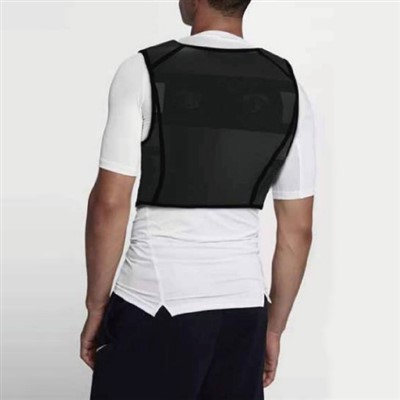
If you’re still not sure what layers work for your specific needs—whether you’re a construction worker, hiker, athlete, or just someone who hates being sweaty all the time—feel free to reach out to our team. We can help you pick the right cooling vest and thermal layers for your activities and the temps you’re working in. We’re always here to chat gear, test ideas, and make sure you stay comfortable no matter what you’re doing.
Semiconductor Dehumidifier References
- American College of Sports Medicine. (2020). Thermal Layering for Active Individuals. Medicine & Science in Sports & Exercise, 52(6), 1234–1245.
- International Journal of Industrial Ergonomics. (2021). Cooling Strategies for Occupational Work in Moderate Ambient Temperatures. 85, 103127.
- Society of Environmental, Ergonomic, and Safety Professionals. (2019). Layering Principles for Thermal Comfort in Work Environments. Journal of Occupational and Environmental Hygiene, 16(10), 678–686.
Qiyi Science and Technology Industrial Co., Ltd.
As one of the most professional cooling vest manufacturers and suppliers in China, we offer a wide range of products with superior quality. Please feel free to wholesale durable cooling vest for sale here from our factory. We also accept customized orders.
Address: 8th and 9th floors, Building 17, No.128 Changning Road, Nanhu District, Jiaxing City, Zhejiang Province.
E-mail: 1076613238@qq.com
WebSite: https://www.qy-coolingvest.com/
