Hey there! I’m a supplier in the wind lidars industry, and today I wanna talk about how wind lidars assist in wake analysis of wind turbines. Wind Lidars
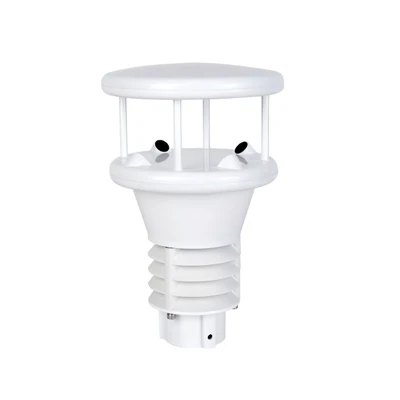
First off, let’s get a bit of background. Wind turbines are a key part of the renewable – energy scene. But here’s the deal: when one turbine spins, it creates a wake, which is basically a region of disturbed airflow downwind. This wake can have a big impact on other turbines in a wind farm. It can reduce their efficiency, increase wear and tear on their components, and affect the overall power output of the farm. That’s where our wind lidars come in.
So, what exactly are wind lidars? Well, lidar stands for "light detection and ranging". It’s a technology that uses laser light to measure distances and other properties of the atmosphere. Our wind lidars send out laser pulses into the air. These pulses bounce off particles in the air, like dust and aerosols, and then the lidar detects the reflected light. By analyzing the time it takes for the light to return and the changes in its properties, we can figure out the speed and direction of the wind at different distances from the lidar.
Now, how do they help with wake analysis? One of the main ways is by providing detailed wind data. In a wind farm, we need to know exactly what’s going on in the wake of each turbine. Our wind lidars can measure the wind speed and direction at multiple points downwind of a turbine. This gives us a clear picture of how the wake is developing.
For example, we can see how the wind speed decreases in the wake. As the air passes through the turbine blades, it loses some of its kinetic energy, so the wind speed drops. Our lidars can measure this drop accurately. We can also detect the shape of the wake. Is it narrow and concentrated, or wide and spread out? This information is crucial for understanding how the wake will affect other turbines.
Another important aspect is the turbulence in the wake. Turbulence is like the "shakiness" of the wind. High – turbulence areas in the wake can cause stress on the blades, gearboxes, and other parts of downwind turbines. Our wind lidars are great at measuring turbulence. They can detect the variations in wind speed and direction over time, which allows us to quantify the level of turbulence in the wake.
Once we have this data from the wind lidars, we can use it for several purposes. One is to optimize the layout of a wind farm. By knowing how the wakes behave, we can place turbines in the farm in a way that minimizes the negative effects of the wakes. For instance, we can space turbines farther apart in areas where the wakes are more intense or align them in a way that reduces wake overlap.
We can also use the wake analysis data for turbine control. If we know that a downwind turbine is about to enter a highly turbulent wake, we can adjust its operation. We might reduce the blade pitch or the rotational speed to protect the turbine from excessive stress and damage.
In addition, our wind lidars are really flexible. They can be installed in different locations. We can put them on the ground near the turbines, mount them on towers, or even use mobile units if we want to do some short – term surveys. This flexibility means that we can get data from different perspectives and in various situations.
Let me share a real – world example. We worked with a wind farm that was having some issues with low power output. After installing our wind lidars, we found that there was a lot of wake interference between the turbines. The wakes were causing the downwind turbines to operate in sub – optimal conditions. Based on the data from the lidars, the wind farm operators were able to adjust the turbine layout. They moved some turbines a bit further apart and changed their alignment. As a result, the power output of the wind farm increased significantly.
Now, you might be wondering about the accuracy of our wind lidars. We’ve put a lot of effort into making sure they’re as accurate as possible. Our lidars have high – precision sensors and advanced algorithms for data processing. They’re also calibrated regularly to ensure that the data they provide is reliable.
Also, they’re easy to maintain. We understand that in a wind farm, you don’t want to spend a lot of time and money on maintenance. Our lidars are designed to be robust and durable. They can withstand harsh weather conditions, such as strong winds, rain, and extreme temperatures. And if there is an issue, our support team is always ready to help.
In terms of cost – effectiveness, using our wind lidars for wake analysis can actually save a lot of money in the long run. By optimizing the wind farm layout and turbine operation, you can increase the power output and reduce the maintenance costs. This means a higher return on investment for the wind farm owners.
So, if you’re in the wind energy business and looking for a way to improve the performance of your wind farm through accurate wake analysis, our wind lidars are the solution. Whether you’re building a new wind farm or trying to optimize an existing one, we can provide you with the tools and data you need.

If you’re interested in learning more about our wind lidars and how they can benefit your wind farm, don’t hesitate to reach out. We’re more than happy to have a chat, answer your questions, and discuss a potential purchase. Let’s work together to make your wind farm more efficient and profitable.
Wind Measuring Devices References
- Hansen, M. O. L., & Butterfield, C. P. (2004). Aerodynamics of wind turbines. Earthscan.
- Jonkman, J. M., Buhl Jr, M. L. (2005). Definition of a 5 – MW reference wind turbine for offshore system development. National Renewable Energy Laboratory.
- Sclavounos, P. D., & Etemad, S. (2008). Dynamics of floating offshore wind turbines. Annual Review of Fluid Mechanics, 40, 295 – 321.
Tianjin Blooming Technology Ltd.
Address: Main Building, No. 10 Wuhua Road, Huayuan Industrial Zone, Binhai High-tech Zone, Tianjin, China
E-mail: sales@blooming-tech.com
WebSite: https://www.blooming-tech.net/
