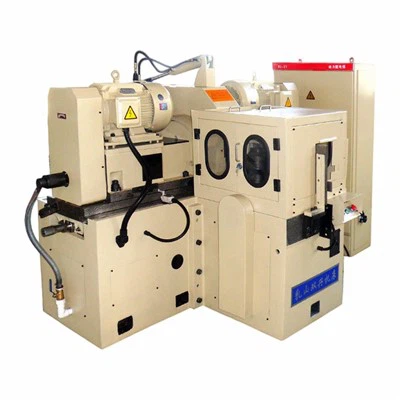
Hey there! As a supplier in the connecting rod machining business, I’ve seen my fair share of challenges over the years. Connecting rods are essential components in engines, transferring the reciprocating motion of the piston to the rotating motion of the crankshaft. Getting them right is crucial for the overall performance and reliability of an engine. So, let’s dive into the main challenges we face in connecting rod machining. Connecting Rod Machining
Material Selection and Quality
First off, material selection is a huge deal. Connecting rods need to be strong enough to withstand high forces and stresses during engine operation. We typically use materials like forged steel or aluminum alloys, each with its own set of pros and cons.
Forged steel is known for its high strength and durability. It can handle the intense pressures inside an engine without deforming easily. But here’s the catch: it’s also heavier than aluminum. That extra weight can impact engine efficiency, especially in high – performance applications where every bit of weight matters.
On the other hand, aluminum alloys are lighter, which can improve fuel efficiency and reduce engine vibration. However, they’re not as strong as steel. So, we have to be extra careful when designing and machining aluminum connecting rods to make sure they can still meet the required strength standards.
And it’s not just about choosing the right material; the quality of the material matters too. Even small variations in the chemical composition or internal structure of the material can affect the final performance of the connecting rod. We have to work closely with our material suppliers to ensure consistent quality, and we conduct rigorous testing on incoming materials to catch any issues early on.
Precision Machining
Connecting rods require extremely precise machining. The tolerances for things like bore diameter, surface finish, and rod length are incredibly tight. For example, the bore diameter of a connecting rod piston pin hole might have a tolerance of just a few micrometers. That’s like splitting a human hair into tiny pieces!
One of the biggest challenges in precision machining is dealing with thermal expansion. As we machine the connecting rod, the cutting tools generate heat. This heat can cause the material to expand, which in turn can throw off our machining dimensions. To combat this, we use coolants to keep the temperature down, but it’s still a delicate balance.
Another issue is the complexity of the connecting rod’s shape. Connecting rods have multiple features, such as the big end, small end, and rod shank, each with its own set of machining requirements. We have to use a variety of machining processes, like turning, milling, drilling, and honing, to achieve the desired shape and finish. Coordinating all these processes and making sure they work together seamlessly is no easy task.
Tool Wear and Breakage
The cutting tools we use in connecting rod machining take a beating. They’re constantly in contact with the tough materials, generating a lot of friction and heat. Over time, this causes the tools to wear down. And when the tools wear, the quality of the machined parts can suffer.
Tool wear can lead to poor surface finish, inaccurate dimensions, and even tool breakage. A broken tool can not only damage the workpiece but also disrupt our production process, causing delays and increasing costs.
To manage tool wear, we have to regularly monitor the condition of our cutting tools. We use techniques like tool life optimization, where we calculate the optimal number of parts a tool can machine before it needs to be replaced. We also invest in high – quality cutting tools made from advanced materials like carbide, which can withstand more wear and tear than traditional tools.
Cost Management
In any manufacturing business, cost management is a major challenge, and connecting rod machining is no exception. There are several factors that contribute to the overall cost of production.
The cost of raw materials is a significant factor. As I mentioned earlier, we have to use high – quality materials, which can be expensive. And with the fluctuating prices of metals in the global market, it’s hard to predict and control material costs.
Labor costs are another important aspect. Machining connecting rods requires skilled workers who know how to operate the complex machinery and ensure the quality of the parts. Training and retaining these workers can be costly.
Then there’s the cost of equipment. We need state – of – the – art machining centers, inspection equipment, and other tools to produce high – quality connecting rods. These machines are expensive to purchase and maintain.
To keep costs under control, we have to look for ways to improve efficiency. This might involve optimizing our production processes, reducing waste, and negotiating better prices with our suppliers.
Quality Control
Ensuring the quality of our connecting rods is non – negotiable. A faulty connecting rod can lead to engine failure, which can be dangerous and costly for our customers. So, we have a comprehensive quality control system in place.
We conduct inspections at every stage of the manufacturing process. This includes incoming material inspections, in – process inspections during machining, and final inspections before the parts are shipped out. We use a variety of inspection methods, such as dimensional measurements with calipers and micrometers, surface finish measurements with profilometers, and non – destructive testing techniques like ultrasonic testing to detect internal defects.
However, quality control can be challenging. Sometimes, the defects are very small and hard to detect. And as we produce more parts, it becomes more difficult to maintain the same level of quality control across the board. We have to constantly train our quality control staff and invest in the latest inspection equipment to stay on top of things.
Environmental Regulations
In today’s world, environmental regulations are becoming stricter. In the connecting rod machining process, we use various chemicals and fluids, such as coolants and lubricants, which can have an impact on the environment if not properly managed.
We have to comply with regulations regarding the disposal of these chemicals and fluids. This often means investing in waste treatment systems to ensure that the waste we produce meets the environmental standards.
In addition, energy consumption is also a concern. Our machining equipment uses a lot of electricity, and we’re under pressure to reduce our energy consumption and carbon footprint. We’re constantly looking for ways to make our manufacturing processes more energy – efficient, such as using energy – saving machines and optimizing our production schedules.
Meeting Customer Requirements
Every customer has different requirements when it comes to connecting rods. Some need high – performance rods for racing engines, while others need more cost – effective solutions for standard automotive applications. Meeting these diverse customer requirements can be quite challenging.
We have to be able to customize our products to meet the specific needs of each customer. This might involve modifying the design, material, or machining process of the connecting rods. And we have to do it in a timely manner, as customers often have tight deadlines.
Communication with the customers is also crucial. We need to fully understand their requirements and expectations, and keep them informed about the progress of their orders. Any misunderstandings can lead to delays and customer dissatisfaction.
Conclusion
So, as you can see, there are many challenges in connecting rod machining. From material selection and precision machining to cost management and meeting customer requirements, we have to deal with a wide range of issues on a daily basis. But despite these challenges, we’re committed to producing high – quality connecting rods that meet the needs of our customers.

If you’re in the market for connecting rods and want to discuss your requirements, I’d love to have a chat with you. We can work together to find the best solutions for your specific needs. Feel free to reach out and start a conversation about your procurement needs.
References
Double Disc Grinding Machines -ASM Handbook Volume 20: Materials Selection and Design
-Machining Process Handbook: A Comprehensive Guide to Machining Techniques
-Engine Design and Performance Principles
Rushan Shuangxing Machine Tool Manufacturing Co., Ltd.
Rushan Shuangxing Machine Tool Manufacturing Co., Ltd. is one of the most reliable connecting rod machining manufacturers and suppliers in China, featured by quality products and low price. Please rest assured to wholesale durable connecting rod machining for sale here from our factory. Customized orders are welcome.
Address: No. 28, Chuangye 1st Road, Rushan, Weihai, Shandong Province, China.
E-mail: wxm@rssxjc.net
WebSite: https://www.ddgmachine.com/
