Dipotassium phosphate, a key fertilizer in modern agriculture, plays a vital role in enhancing soil fertility and crop productivity. As a supplier deeply entrenched in the industry, I’m often asked about the optimal application rates of dipotassium phosphate to soil. This blog aims to shed light on this crucial topic, providing you with scientific insights and practical guidelines to help you make informed decisions. Dipotassium Phosphate
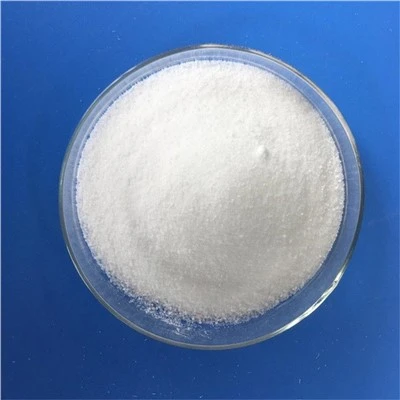
Understanding Dipotassium Phosphate
Dipotassium phosphate, with the chemical formula K₂HPO₄, is a water – soluble salt that serves as an excellent source of both potassium (K) and phosphorus (P). These two nutrients are essential for plant growth and development. Potassium is involved in various physiological processes such as enzyme activation, osmoregulation, and photosynthesis. It helps plants withstand stress, including drought, disease, and cold. Phosphorus, on the other hand, is crucial for energy transfer, root development, and the formation of nucleic acids and phospholipids.
Factors Influencing Application Rates
The amount of dipotassium phosphate to be applied to the soil is not a one – size – fits – all figure. Several factors come into play, and understanding these is essential for accurate application.
Soil Type
Different soil types have varying capacities to hold and release nutrients. Sandy soils, for example, have low cation exchange capacity (CEC), which means they do not retain nutrients well. As a result, they may require more frequent and higher applications of dipotassium phosphate to maintain adequate nutrient levels. In contrast, clayey soils have a high CEC and can hold onto nutrients for longer periods. However, they may also have issues with nutrient availability due to poor aeration and drainage. Loamy soils, which are a balanced mixture of sand, silt, and clay, generally offer the best conditions for nutrient retention and availability, and may need moderate applications of dipotassium phosphate.
Crop Type
Each crop has its own unique nutrient requirements. For instance, root crops like carrots and potatoes have a high demand for phosphorus during the early stages of growth to promote root development. Leafy vegetables, on the other hand, may require more potassium for healthy leaf growth and resistance to pests and diseases. Fruiting crops such as tomatoes and peppers need a balanced supply of both potassium and phosphorus throughout their growth cycle, especially during the flowering and fruiting stages.
Existing Nutrient Levels
Before applying dipotassium phosphate, it is crucial to conduct a soil test. A soil test will provide information about the existing levels of potassium, phosphorus, and other nutrients in the soil. If the soil already has high levels of these nutrients, applying more dipotassium phosphate may not only be wasteful but also potentially harmful to the environment. Conversely, if the soil is deficient in potassium or phosphorus, a higher application rate may be necessary.
Growth Stage of the Crop
The growth stage of the crop also influences the application rate of dipotassium phosphate. During the seedling stage, plants have a relatively low nutrient demand. As the plants grow and enter the vegetative and reproductive stages, their nutrient requirements increase. For example, in the case of corn, the demand for phosphorus is highest during the early growth stages, while the demand for potassium peaks during the tasseling and silking stages.
General Application Guidelines
Based on the factors mentioned above, here are some general guidelines for applying dipotassium phosphate to soil:
Pre – planting Application
For most crops, it is recommended to apply dipotassium phosphate before planting. This allows the nutrients to be incorporated into the soil and become available to the plants as they germinate and grow. For sandy soils, an application rate of 50 – 100 pounds per acre of dipotassium phosphate may be appropriate. For loamy soils, 30 – 60 pounds per acre is usually sufficient, while for clayey soils, 20 – 40 pounds per acre may be adequate.
Side – dressing
Side – dressing is the application of fertilizer during the growing season. This is particularly important for crops with high nutrient demands. For vegetable crops, a side – dressing of 10 – 20 pounds per acre of dipotassium phosphate can be applied when the plants are about 6 – 8 inches tall. For field crops such as corn, a side – dressing of 20 – 30 pounds per acre can be applied at the V6 growth stage (when the plant has six visible leaves with collars).
Foliar Application
Foliar application of dipotassium phosphate can be used as a supplement to soil application, especially when the soil conditions are not favorable for nutrient uptake. A foliar spray of 0.5 – 2% dipotassium phosphate solution can be applied to the leaves of the plants. This method allows the nutrients to be absorbed directly by the leaves, providing a quick boost to the plants. However, foliar application should not be used as a substitute for soil application, as it only provides a short – term supply of nutrients.
Case Studies
Let’s look at a couple of case studies to illustrate the importance of proper dipotassium phosphate application.
Case Study 1: Potato Farming
A potato farmer in a region with sandy soil was experiencing poor yields and stunted growth in his potato crops. After conducting a soil test, it was found that the soil was deficient in both potassium and phosphorus. The farmer applied 80 pounds per acre of dipotassium phosphate before planting and 15 pounds per acre as a side – dressing during the growing season. As a result, the potato plants showed significant improvement in growth, with larger tubers and higher yields.
Case Study 2: Tomato Cultivation
A tomato grower in a clayey soil area was facing issues with blossom end rot, a common problem caused by calcium deficiency and imbalanced potassium levels. The grower applied 30 pounds per acre of dipotassium phosphate before planting and 20 pounds per acre as a side – dressing at the flowering stage. The application of dipotassium phosphate helped to balance the nutrient levels in the soil, reducing the incidence of blossom end rot and improving the quality and yield of the tomatoes.
Importance of Accurate Application
Applying the right amount of dipotassium phosphate is not only important for crop productivity but also for environmental sustainability. Over – application of fertilizers can lead to nutrient runoff, which can contaminate water sources and cause eutrophication. This can result in algal blooms, oxygen depletion, and harm to aquatic life. On the other hand, under – application can lead to nutrient deficiencies in plants, resulting in reduced yields and poor quality.
Conclusion

Determining the appropriate amount of dipotassium phosphate to apply to soil is a complex process that requires consideration of multiple factors. By understanding the soil type, crop type, existing nutrient levels, and growth stage of the crop, you can make informed decisions about the application rate. As a trusted dipotassium phosphate supplier, we are committed to providing you with high – quality products and expert advice to help you achieve optimal crop yields.
Potassium Formate If you are interested in purchasing dipotassium phosphate for your agricultural needs, we encourage you to contact us for a detailed discussion. Our team of experts can assist you in determining the right application rates based on your specific situation and help you develop a customized fertilization plan.
References
- Brady, N. C., & Weil, R. R. (2008). The Nature and Properties of Soils. Pearson Prentice Hall.
- Marschner, H. (2012). Mineral Nutrition of Higher Plants. Academic Press.
- Havlin, J. L., Beaton, J. D., Tisdale, S. L., & Nelson, W. L. (2013). Soil Fertility and Fertilizers: An Introduction to Nutrient Management. Pearson.
Jiangsu Kolod Food Ingredients Co., Ltd.
As one of the most professional dipotassium phosphate manufacturers and suppliers in China, we’re featured by quality products and good price. Please rest assured to wholesale bulk dipotassium phosphate made in China here and get free sample from our factory. Customized orders are welcome.
Address: South Side of Weier Road, Guanyun Development Zone, Lianyungang City, Jiangsu Province, China
E-mail: sales1399@jskolod.com
WebSite: https://www.kolod-group.com/
